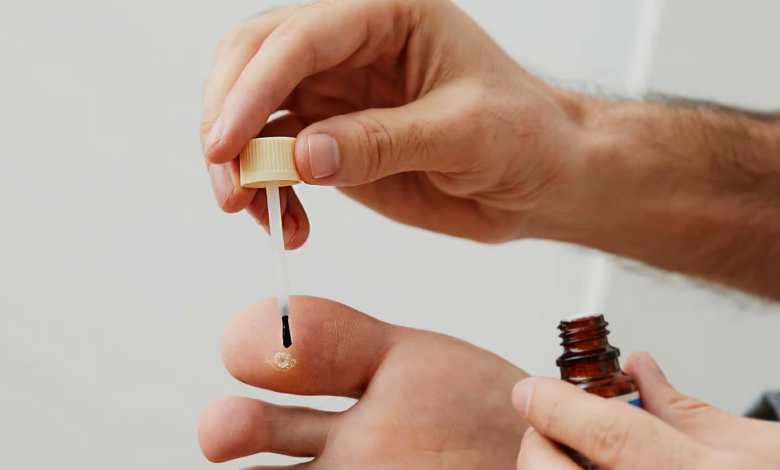
Warts can be incredibly frustrating—those small, stubborn bumps caused by the human papillomavirus (HPV) often show up uninvited on hands, feet, or elsewhere, making everyday tasks feel awkward or even painful. You’ve probably tried over-the-counter fixes or waited them out, only to see them linger. Many people are turning to natural alternatives like essential oils for warts because they offer a gentler, plant-based approach that targets the virus while supporting skin health. These oils draw from centuries of traditional use, backed by emerging evidence of their antiviral and antimicrobial properties. While not a guaranteed cure for everyone, they can be a helpful part of your routine when used thoughtfully.
What Are Warts and Why Consider Essential Oils?
Warts are benign skin growths triggered by various HPV strains, leading to rough, raised spots that spread easily through contact. Common types include common warts on hands, plantar warts on feet (often painful from pressure), and flat warts on the face or legs. Conventional treatments like salicylic acid, freezing, or duct tape work for many, but they can irritate skin or take weeks.
Essential oils appeal because they contain natural compounds—like terpinen-4-ol in tea tree or carvacrol in oregano—that show antiviral potential in lab studies and small clinical cases. Recent reviews (up to 2026) highlight essential oils for warts ability to inhibit viral replication, reduce inflammation, and promote healing without harsh chemicals. They’re not magic, but consistent use combined with good hygiene can help warts fade naturally over time, often in weeks to months.
Top Essential Oils for Warts and Their Benefits
Several essential oils stand out for their reported effectiveness against warts, thanks to strong antiviral, antifungal, and skin-supporting qualities.
Tea Tree Oil
Tea tree oil (from Melaleuca alternifolia) tops many lists for good reason. Studies, including case reports and a 2023 randomized trial, show it can clear warts comparably to salicylic acid, with complete resolution in some pediatric and adult cases after daily application. Its antiviral compounds attack HPV directly while reducing inflammation and speeding wound healing. Users often notice warts shrinking within days to weeks, with minimal scarring. It’s especially popular for hand and plantar warts due to its potency without extreme irritation when diluted properly.
Oregano Oil
Oregano oil packs a punch with high levels of carvacrol, a compound studied for strong antiviral effects. It’s frequently recommended for stubborn warts because it creates an unfriendly environment for viruses. Anecdotal reports and traditional use suggest it helps break down wart tissue faster than milder oils. However, it’s one of the most potent—always dilute heavily to avoid burns. Many blend it with gentler oils for balanced results.
Frankincense Oil
Frankincense brings skin-regenerating and antimicrobial benefits, helping reduce wart appearance while preventing secondary infections. Its boswellic acids support healing and calm irritated skin around the growth. People often pair it with tea tree for a soothing combo that promotes smoother recovery post-wart. Recent insights emphasize its role in overall skin rejuvenation, making it ideal for visible areas.
How to Use Essential Oils for Warts Effectively
Application is straightforward but requires consistency and care. Start by cleaning the area with soap and water, then pat dry. Dilute your chosen oil (or blend) in a carrier like coconut, jojoba, or olive oil—typically 1-3 drops of essential oil per teaspoon of carrier for safety.
Apply a small amount directly to the wart using a cotton swab, avoiding surrounding healthy skin if the oil is strong (like oregano). Cover with a bandage to lock in the treatment and protect from spreading. Repeat 1-3 times daily, ideally morning and night. For plantar warts, soak feet first to soften the skin.
Patience is key—many see changes in 2-8 weeks, with full clearance taking longer. Track progress with photos. Combine methods, like alternating oils or using alongside duct tape occlusion, for better outcomes.
If exploring ready-made options, products like Amoils offer gentle, formulated blends with essential oils for warts that prioritize safety and ease.
Safety Precautions and When to Seek Professional Help
Essential oils are powerful and must be used responsibly to avoid irritation, allergic reactions, or worse. Always perform a patch test: apply diluted oil to your inner arm and wait 24 hours. Never apply undiluted potent oils like oregano or cinnamon—they can cause burns.
Dilution is non-negotiable, especially for sensitive areas or prolonged use. Avoid eyes, mucous membranes, and open wounds. Don’t ingest oils, as they’re toxic internally.
Special groups need extra caution: Pregnant or breastfeeding individuals should consult a doctor first—some oils (like oregano or cinnamon) may pose risks. For children, use kid-safe dilutions (often lower concentrations) and avoid strong oils; tea tree has hormonal concerns in some cases. People with asthma or allergies should proceed carefully.