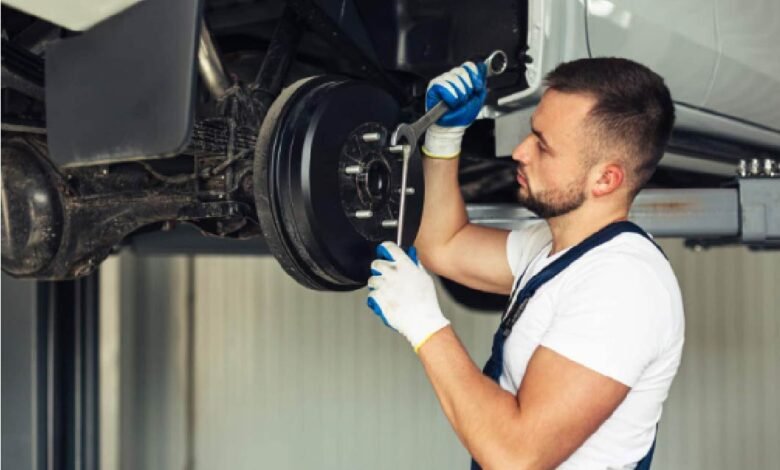
Your vehicle’s braking system is one of the most critical safety components inspected during an MOT test. Brakes that fail to meet legal safety standards can lead to serious driving risks and immediate test failure. Faults such as worn brake pads, damaged discs, poor brake efficiency, or system leaks are among the most common causes of brake related MOT failures.
In this detailed guide, we explore the top reasons brakes fail an MOT and share practical ways to prevent these issues. We also explain how professional servicing from Tj Services Fleet can help you keep your braking system in safe, roadworthy condition.
Why Brake Condition Matters for MOT Tests?
The MOT test checks whether your vehicle meets minimum road safety standards. During the inspection, testers assess brake performance, efficiency, condition, and system integrity to ensure your vehicle can stop safely under normal driving conditions.
Even small brake problems can lead to a major or dangerous fault classification if they reduce stopping power or create safety risks. Maintaining your brakes properly not only helps you pass the MOT but also protects you and other road users.
Having your brakes checked at a certified MOT Test Centre in Fleet ensures thorough inspections and proper maintenance to meet legal safety standards.
1. Worn Brake Pads or Linings
One of the most common reasons brakes fail an MOT is excessive wear on brake pads or linings. Pads worn below safe limits significantly reduce braking efficiency and can be classified as dangerous faults.
How to Prevent It
Schedule regular inspections to monitor pad thickness. Replace pads before they reach minimum levels to maintain proper braking performance. Professional servicing ensures worn components are replaced before they cause serious issues.
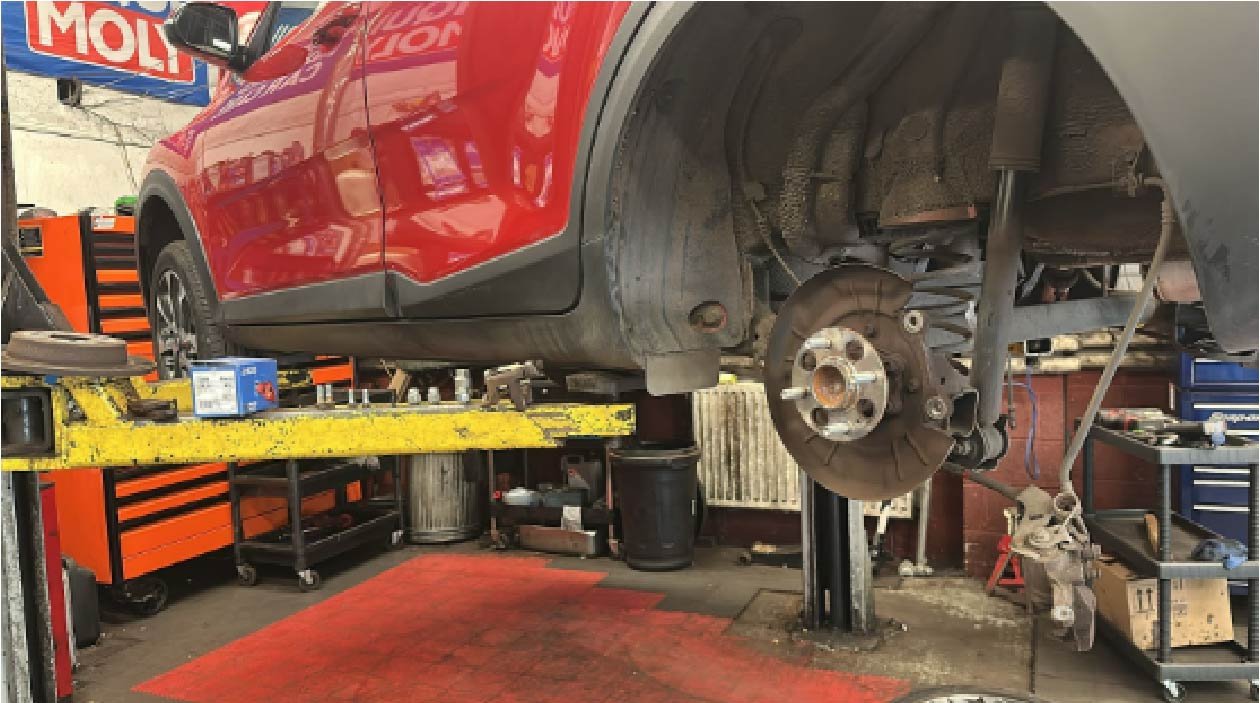
2. Damaged or Worn Brake Discs and Drums
Brake discs and drums endure high heat and friction. Over time, they can become cracked, excessively worn, or warped, affecting stopping power and causing uneven braking. Such issues often result in MOT failures.
Prevention Tips
Listen for grinding noises and watch for vibration during braking. Routine servicing allows technicians to measure wear levels and recommend replacements before the damage worsens.
3. Brake Fluid Leaks or Pressure Issues
Hydraulic braking systems rely on consistent pressure to function properly. Leaks or air in the system can reduce braking effectiveness and lead to major MOT defects.
How to Avoid Failure
Check fluid levels regularly and watch for warning lights. If you notice a soft or spongy brake pedal, arrange a professional inspection immediately to prevent further damage.
4. Poor Brake Efficiency
Brake efficiency measures how effectively your vehicle stops under test conditions. If the braking force is below required standards, your vehicle will fail the MOT.
Prevention Strategy
Regular servicing and professional brake testing help identify performance issues early. Brake efficiency problems often stem from worn components, uneven braking force, or fluid related issues.
5. Contaminated Brake Components
Oil, grease, or dirt contamination on brake pads or discs reduces friction and compromises stopping ability. Contaminated brakes are considered major defects during MOT inspections.
How to Prevent Contamination
Avoid driving through deep water or oil spills when possible. Ensure damaged seals or leaking parts are repaired promptly to protect brake surfaces.
6. Faulty Brake Warning Systems
Modern vehicles include warning lights and indicators that monitor braking performance. Malfunctioning warning systems or active brake alerts can lead to an MOT failure if they indicate unsafe operation.
Prevention Measures
Never ignore dashboard warning lights. Diagnostic checks performed during routine servicing can identify underlying faults before the MOT test.
7. Air Leaks or Damaged Brake Lines
Air or vacuum leaks within braking systems can reduce pressure and weaken braking power. External damage to brake lines is also a major MOT defect because it compromises system reliability.
How to Avoid Issues
Inspect brake pipes and hoses regularly. Corrosion, cracks, or leaks should be repaired immediately to prevent sudden brake failure.
8. ABS System Malfunctions
Anti lock braking systems help maintain control during emergency stops. If the ABS system is inoperative or intentionally disabled, it may cause an MOT failure.
Prevention Advice
If your ABS warning light remains on, book a diagnostic check. Experienced technicians use advanced tools to identify sensor or module related faults.
9. Uneven Brake Balance
Braking force must be evenly distributed across wheels. Imbalanced braking can cause instability and is often detected during MOT brake testing.
How to Prevent It
Regular wheel alignment, suspension checks, and brake servicing help maintain even performance across all wheels.
10. Lack of Regular Maintenance
Many brake failures occur simply because drivers delay routine inspections. Neglected maintenance allows small issues to develop into serious faults that cause MOT failures.
Prevention Tips
Follow manufacturer service intervals and book professional checks before your MOT date. Regular inspections help identify early signs of wear and prevent costly repairs.
Signs Your Brakes May Fail an MOT
Recognising warning signs early can help you avoid costly failures. Common symptoms include squealing or grinding noises, vibration when braking, a soft or spongy pedal feel, the vehicle pulling to one side, or dashboard brake warning lights.
If you notice any of these issues, arrange a professional inspection immediately to avoid MOT problems and improve road safety.
How Tj Services Fleet Helps Prevent Brake MOT Failures
Professional servicing plays a major role in keeping your braking system safe and MOT compliant. Experienced technicians carry out detailed inspections, repairs, and replacements to ensure your brakes meet legal standards.
Professional servicing from a trusted MOT Centre plays a major role in keeping your braking system safe and compliant. Experienced technicians carry out detailed inspections, repairs, and replacements to ensure your brakes meet legal standards.
Services may include brake pad replacement, disc repairs, hydraulic system checks, and full brake performance testing. Regular servicing helps detect faults early, reducing the risk of dangerous failures and unexpected repair costs.
Get directions to Tj Services Fleet and schedule your brake inspection today. We’ll identify potential MOT failures before your test and ensure your vehicle is safe and roadworthy.
Preparing Your Brakes Before an MOT
Preparing your vehicle ahead of the MOT increases your chances of passing first time. Start by booking a pre MOT inspection to identify potential faults. Check brake fluid levels, listen for unusual sounds, and ensure warning lights are not active.
A professional brake check before the test helps address minor issues before they become major problems, saving time and money.
The Long Term Benefits of Maintaining Healthy Brakes
Keeping your brakes in good condition offers several advantages beyond passing the MOT. You improve driving safety, reduce the risk of accidents, lower long term repair costs, and maintain your vehicle’s resale value.
Regular servicing also improves fuel efficiency and ensures smoother driving performance, making your journeys more comfortable and stress free.
Conclusion
Brake problems are among the most serious reasons vehicles fail MOT tests. Issues such as worn pads, damaged discs, leaks, poor efficiency, or ABS faults can quickly lead to major or dangerous defects. By carrying out regular maintenance and addressing warning signs early, you can avoid unexpected failures and keep your vehicle safe on the road.
Working with experienced professionals ensures your braking system is properly inspected and maintained throughout the year. With proactive servicing and careful preparation, you can approach your next MOT with confidence knowing your vehicle meets essential safety standards.