Who Was Kurt Cobain? The True Story, Legacy & Final Days Of The Nirvana Icon

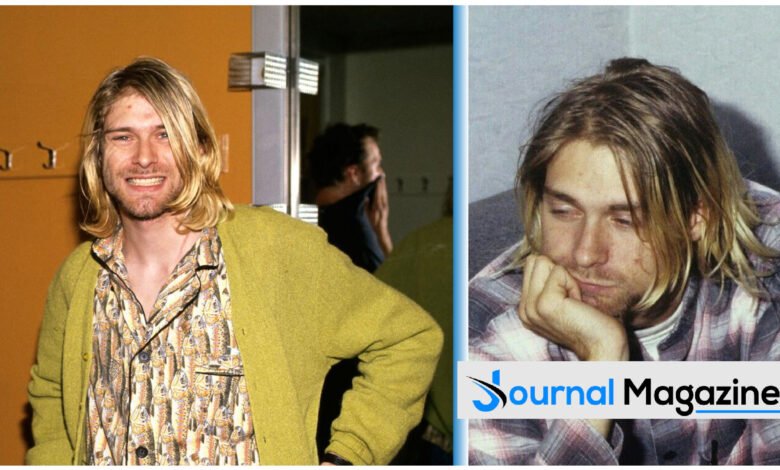
Kurt Cobain was an American singer, songwriter, and guitarist best known as the frontman of Nirvana, one of the most influential rock bands of the 1990s. He became a cultural icon because of his raw voice, emotional lyrics, and unique artistic vision that reshaped the direction of alternative rock. Cobain inspired a generation through his music, fashion, and honest expression of pain and vulnerability. His influence spread far beyond grunge, shaping youth culture across the world. Sadly, Cobain died on April 5, 1994, at the age of 27, leaving behind a legacy that continues to impact modern music and culture decades later.
Profile Bio: Kurt Kobejn
| Personal Information | Details |
|---|---|
| Full Name | Kurt Donald Cobain |
| Birth Date | February 20, 1967 |
| Birthplace | Aberdeen, Washington, USA |
| Nationality | American |
| Profession | Singer, Songwriter, Guitarist |
| Known For | Frontman of Nirvana; pioneer of grunge movement |
| Genres | Grunge, Alternative Rock |
| Years Active | 1987 – 1994 |
| Parents | Donald Cobain (father), Wendy Cobain (mother) |
| Spouse | Courtney Love (m. 1992–1994) |
| Children | Frances Bean Cobain |
| Death Date | April 5, 1994 |
| Age at Death | 27 years old |
| Cause of Death | Official ruling: suicide by self-inflicted gunshot |
| Legacy | Cultural icon, influential songwriter, grunge pioneer |
Early Life and Childhood
Kurt Cobain was born on February 20, 1967, in Aberdeen, Washington, to Wendy and Donald Cobain. His childhood was filled with creativity, but also emotional challenges, especially after his parents divorced when he was nine years old. This event deeply affected him and influenced his later songwriting. Cobain showed strong artistic talent from a young age, often drawing, writing, and experimenting with music. During his teen years, he discovered punk culture, which shaped his identity and musical direction. School life was difficult for him, and he often struggled with behavior and fitting in, leading him to express himself more through art and songwriting.
Musical Influences and Early Creative Development
Kurt Cobain’s musical foundation was shaped by a mix of punk, grunge, and classic rock influences. Bands like the Melvins, Pixies, and Black Sabbath played a major role in shaping his sound and attitude toward music. He admired their raw energy, simplicity, and emotional honesty. Cobain began writing songs as a teenager, developing a style that mixed aggression with vulnerability. Before Nirvana, he experimented with several early band attempts and home recordings, building his confidence as a songwriter. These early years helped him refine the musical identity that would later define Nirvana and make him one of the most influential musicians of his era.
Formation of Nirvana
Kurt Cobain met Krist Novoselic in Aberdeen, where they bonded over their shared love for punk and alternative music. Together, they formed Nirvana in the late 1980s and began rehearsing and recording early demos. Before Dave Grohl joined, the band worked with several drummers as they experimented with their sound. Nirvana eventually signed with Sub Pop Records, a Seattle-based label known for supporting independent musicians. Their early work showed promise, but it was their determination, unique sound, and chemistry that helped the band grow. The foundation built during these years prepared Nirvana for international success.
Breakthrough With “Nevermind”
In 1991, Nirvana released Nevermind, an album that transformed the music industry and launched the grunge movement worldwide. The lead single, “Smells Like Teen Spirit,” became a global phenomenon, driven by MTV rotation and powerful youth response. The album’s unexpected success pushed Nirvana into mainstream fame, placing Cobain at the center of cultural attention. Generation X connected deeply with his lyrics, which expressed frustration, confusion, and emotional pain. Despite the fame, Cobain felt uncomfortable with celebrity culture and struggled with the sudden spotlight. Nevermind remains one of the most influential rock albums ever made.
Nirvana’s Artistic Philosophy
Nirvana’s music showcased a mix of raw intensity, emotional honesty, and a refusal to follow traditional commercial expectations. Cobain believed in authenticity and often criticized the music industry’s focus on profit over creativity. His songs explored themes of mental health, loneliness, trauma, and societal pressure. He used simple structures but powerful emotional delivery, which made the music relatable to millions. Nirvana resonated strongly with young listeners because the lyrics reflected their struggles and emotions without glamour or exaggeration. This artistic philosophy helped the band become a voice for an entire generation.
Personal Life and Relationships
Kurt Cobain met musician Courtney Love in 1990, and the two quickly formed a strong connection. They married in 1992 and became one of the most talked-about couples in the music world. Their relationship attracted heavy media attention, often focusing on their struggles rather than their artistic work. In August 1992, the couple welcomed their daughter, Frances Bean Cobain, who became the center of Cobain’s emotional life. Although their marriage faced challenges, Cobain shared a deep bond with his family. The combination of fame, pressure, and criticism from the public made his personal life very difficult to navigate.
Health Struggles and Addiction
Kurt Cobain’s physical and emotional struggles played a major role in his life. He suffered from a chronic and painful stomach condition that caused constant discomfort and affected his daily routine. Cobain also battled addiction, a problem publicly documented in interviews and medical reports. He sought rehabilitation several times, trying to overcome these challenges while balancing a demanding music career. Fame intensified his struggles, adding pressure he often felt unable to escape. These health issues deeply influenced his songwriting and contributed to the emotional intensity found in Nirvana’s music.
Major Albums and Musical Evolution
Nirvana’s discography reflects the band’s growth and Cobain’s evolving creativity. Their debut album, Bleach (1989), showcased a raw and heavy sound influenced by punk and metal. Nevermind (1991) brought worldwide fame with polished production and powerful songwriting. In Utero (1993) marked a return to a more unfiltered, artistic direction, with songs that dealt openly with pain, fame, and personal struggle. Each album had a unique identity, and Cobain’s songwriting matured with every release. His work continues to influence musicians across genres and remains central to the history of alternative rock.
Final Months of Kurt Cobain’s Life
The final months of Cobain’s life were marked by emotional challenges and health struggles. In early 1994, he experienced a medical emergency in Rome, which was widely discussed but remains documented only with verified medical details. His family and management attempted multiple interventions, urging him to seek treatment for addiction and emotional distress. Cobain entered a rehabilitation center but later left unexpectedly. In the days before his death, he withdrew from public activities and struggled with overwhelming pressure. The timeline of events reflects a period of deep difficulty that contributed to the tragedy that followed.
Official Investigation and Cause of Death
Kurt Cobain was found dead on April 5, 1994, at his home in Seattle. The King County Medical Examiner examined the scene and ruled his death a suicide caused by a self-inflicted shotgun wound. Official reports also confirmed the presence of heroin in his system. The investigation documented his injuries, the weapon, and the note found at the scene. Despite public speculation, the medical examiner has repeatedly stated that evidence supports the original conclusion. These verified details form the official understanding of Cobain’s death, which remains unchanged by authorities.
Public Reaction and Global Impact
The news of Kurt Cobain’s death sent shockwaves throughout the world. Fans, musicians, and media outlets expressed deep sadness over the loss of a cultural icon. Memorials appeared in Seattle and across the globe as people gathered to honor his life and music. His death sparked conversations about mental health, addiction, and the pressures of fame. Many musicians later credited Cobain as a major influence on their careers. Even today, tributes continue, demonstrating how deeply he impacted music history and the lives of millions.
Conspiracy Theories and Public Speculation
Since Cobain’s death, several public theories and speculations have circulated, often fueled by documentaries and online discussions. These theories question the circumstances of his death, but none are supported by verified forensic evidence. Authorities have stated multiple times that no new evidence justifies reopening the case. These theories emerged partly because of Cobain’s fame, emotional struggles, and the public’s desire for answers. It is important to distinguish between verified facts from the official investigation and unproven speculation. Responsible reporting requires relying on the confirmed findings of forensic experts and legal authorities.
Legacy in Music and Culture
Kurt Cobain changed the landscape of alternative rock and helped define the sound of the 1990s. His music influenced countless artists and helped shift mainstream attention toward underground genres. Cobain’s fashion style—simple, unpolished, and expressive—became a global trend. His openness about emotional pain encouraged new conversations about mental health in the music world. Universities, documentaries, and researchers continue to study his life and cultural impact. Cobain remains one of the most important figures in modern music history.
Posthumous Releases and Archival Materials
After Cobain’s death, several projects were released to preserve his artistic work. These include journals, home recordings, unreleased demos, and documentary films exploring his life and music. Albums such as MTV Unplugged in New York and From the Muddy Banks of the Wishkah highlighted his creative range. His personal writings offered deeper insight into his thoughts, artistry, and emotional world. These archival materials continue to introduce new generations to his work and keep his legacy alive.
Kurt Cobain in Modern Pop Culture
Cobain remains a major figure in modern pop culture, appearing in films, books, documentaries, and academic studies. Artists across multiple genres cite him as an inspiration. His story is often used in discussions about mental health, celebrity pressures, and artistic authenticity. Even decades after his death, Cobain’s influence can be seen in music, fashion, and youth expression. His image and message continue to shape cultural conversations around creativity, vulnerability, and the cost of fame.
Philanthropy and Causes Connected to Cobain
Although Cobain kept much of his charitable work private, verified reports show that he supported causes connected to homelessness, LGBTQ+ rights, and anti-violence advocacy. His lyrics also reflected his strong views on equality and compassion. Fans and organizations have since used his legacy to raise awareness for mental health and support vulnerable communities. Cobain’s influence continues in charitable initiatives that align with the values he expressed through his music.
Family After His Death
After Cobain’s passing, Courtney Love continued her career in music and acting, while also working to preserve parts of Kurt’s legacy. Their daughter, Frances Bean Cobain, grew into a successful artist and public figure. She has spoken about navigating life with a famous parent and has participated in projects honoring her father’s work. Both mother and daughter have been involved in managing Cobain’s estate and safeguarding his memory for future generations.
Why Kurt Cobain’s Story Still Matters Today
Kurt Cobain’s life and music continue to resonate because they express truth, pain, creativity, and authenticity. His story highlights the pressures of fame, the importance of mental health awareness, and the need for compassion toward public figures. Younger generations discover his work and connect with his emotional honesty. Cobain’s influence shapes musicians, artists, writers, and fans around the world, proving that his voice still matters. His story serves as a reminder of how one artist changed music forever through sincerity and courage.
Conclusion
Kurt Cobain’s legacy remains one of the most powerful in modern music. His short life produced a cultural shift that shaped rock, fashion, and youth identity for decades. Through Nirvana, he challenged mainstream norms and inspired millions with his emotional honesty and artistic rebellion. Although his life ended tragically, his influence continues through his music, family, and the countless artists he inspired. Understanding his story requires respect for verified facts and compassion for the struggles he faced. Cobain’s impact shows that even a brief life can leave a lasting mark on the world.
FAQs About Kurt Cobain
1. What is Kurt Cobain best known for?
Kurt Cobain is best known as the lead singer, guitarist, and songwriter of Nirvana. He became a major cultural figure in the 1990s for shaping the grunge movement and influencing modern rock music.
2. How did Kurt Cobain die?
Kurt Cobain died on April 5, 1994, from a self-inflicted gunshot wound, according to the official ruling by the King County Medical Examiner. Heroin was also found in his system.
3. What made Kurt Cobain influential?
Kurt Cobain influenced music through his emotional songwriting, raw sound, and authentic expression. His work reshaped alternative rock and inspired generations of musicians and fans.
4. What are Kurt Cobain’s most famous albums?
Kurt Cobain’s most famous albums with Nirvana include Bleach (1989), Nevermind (1991), and In Utero (1993), all of which helped define the grunge era.
5. Who is Kurt Cobain’s daughter?
Kurt Cobain’s daughter is Frances Bean Cobain, born in 1992. She is an artist and public figure who works to preserve her father’s legacy.
Read More: Who Is Erica Worden? The Truth About Taylor Swift’s Longtime Assistant