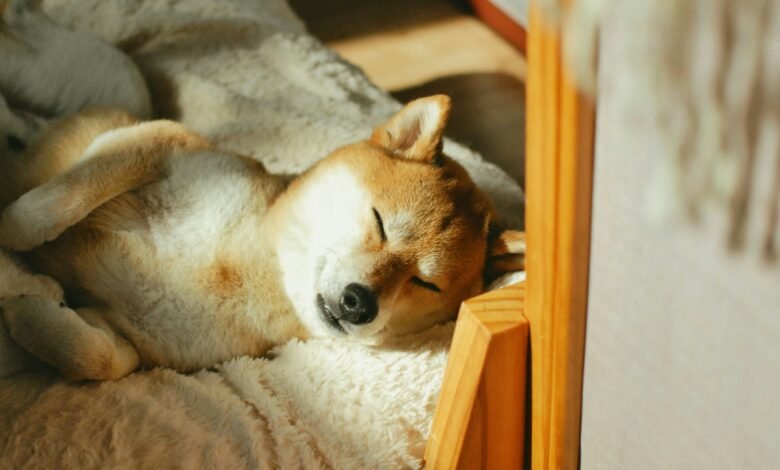
Apartment living presents unique opportunities and challenges for pet owners who want to create a stable, healthy routine for their animals. Limited space, close neighbors, and shared building amenities require thoughtful planning to keep pets comfortable and engaged. With the right approach, even small living environments can provide pets with a fulfilling lifestyle that supports emotional stability, physical activity, and consistent daily structure. Building a balanced life for pets in an apartment begins with understanding their fundamental needs and adapting the home environment to meet them.
Designing an Indoor Space That Supports Comfort
A well organized apartment can help pets feel grounded and more at ease. Creating designated areas for rest, play, and feeding provides structure without overcrowding the space. Soft bedding placed in a quiet corner offers a sense of safety, while a small area for toys or interactive activities helps contain stimulation in a manageable way. Apartment layouts often require creative use of vertical space as well. Perches, shelves, or raised beds can give pets additional vantage points that enrich their environment without increasing clutter. These intentional design choices contribute to an atmosphere where pets can relax and enjoy predictable routines.
Managing Energy Levels Through Consistent Activity
Physical activity is essential for apartment-living pets, but it must be tailored to the constraints of an indoor space. Regular walks, scheduled play sessions, and controlled bursts of exercise support healthy energy outlets. Indoor games such as hide-and-seek, scent work, or short training drills provide mental and physical engagement without requiring large open areas. Many owners also rely on supervised outdoor access, whether through neighborhood walks or visits to nearby parks, to broaden their pets’ experiences. Maintaining consistency in these activities helps regulate behavior, improves focus, and reinforces positive habits that carry over into the home.
Supporting Emotional Balance with Predictable Routines
Routines play an important role in establishing calm expectations for pets who live in close quarters with their owners. Predictable mealtimes, designated rest periods, and consistent training cues reduce uncertainty and support emotional regulation. When pets know what to expect, they are less likely to develop behaviors related to anxiety or overexcitement. These patterns also help them adjust to typical apartment sounds such as footsteps, hallway movement, or elevator noise. Over time, a well structured daily rhythm makes the apartment feel more secure and familiar, which strengthens the bond between pets and their owners.
Keeping Pets Engaged Through Thoughtful Enrichment
Mental stimulation is just as important as physical exercise for apartment pets. Enrichment helps prevent boredom, supports cognitive development, and encourages thoughtful behavior. Rotating a small selection of toys, introducing puzzle feeders, or incorporating short training sessions into the day can offer fulfilling challenges without overwhelming the space. For many owners, professional services such as dog groomers in New Tampa also contribute to this enrichment by exposing pets to calm handling, new positive experiences, and supportive care that enhances overall wellbeing. These layered forms of engagement play a valuable role in maintaining balance within confined living environments.
Maintaining Cleanliness and Comfort Within the Home
A clean and organized apartment contributes significantly to a pet’s sense of comfort. Regular cleaning reduces odors, eliminates clutter, and helps maintain healthy living conditions. Many owners schedule specific times each week for vacuuming, washing bedding, and tidying pet areas to keep the environment pleasant for both humans and animals. Proper ventilation and thoughtful furniture placement can also improve airflow and accessibility. When the home feels welcoming and orderly, pets are more likely to settle easily into daily patterns and feel secure throughout their indoor routines.
Conclusion
A balanced lifestyle for apartment-living pets is entirely achievable with mindful planning, consistent routines, and an environment that supports comfort and engagement. Even limited spaces can meet a pet’s emotional and physical needs when owners design their homes with intention and adapt daily activities to suit the setting. By focusing on enrichment, structure, and supportive care, pet owners can help their animals thrive within apartment living while enjoying a peaceful and connected life together.