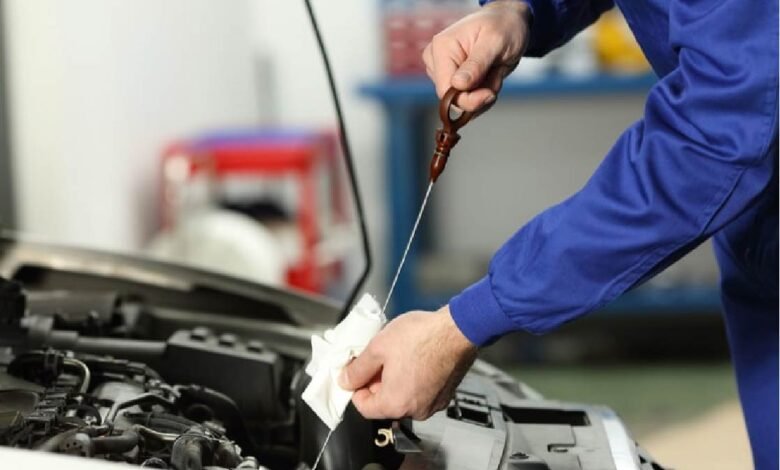
Maintaining your car’s engine oil at the correct level is one of the most important routines to protect your vehicle’s engine and prolong its life. Regular oil checks can help you avoid breakdowns, extend engine life, improve fuel efficiency, and reduce long-term repair costs. In this comprehensive guide, we will explain why checking engine oil matters, when and how to do it, and what to watch out for. For a complete maintenance experience, including engine oil checks and other essential inspections, you can also book a professional Full Car Service at Ashroad Service Centre. By the end of this article, you will be able to confidently check your car’s oil level like a pro.
Why Checking Your Car’s Oil Level Matters
Oil is essential for your car’s engine. It lubricates moving parts, reduces friction, helps cool components, and traps contaminants that could otherwise damage the engine. Without sufficient clean oil:
- Moving parts grind against each other and wear out faster
- The engine can overheat and seize
- You may experience degraded performance or costly damage
Even if your car has an electronic oil monitor, it is good practice to visually check the oil periodically, especially before long trips, during extreme weather, or if you suspect a leak.
How Often Should You Check Your Oil?
There is no one-size-fits-all rule, but most experts recommend:
- At least once a month as a general maintenance routine
- Before long journeys to ensure safe travel
- More frequently if your car is older, frequently tows loads, or drives in extreme temperatures
Even if your car gives a low-oil warning, you should verify it manually because sensors can fail or provide delayed alerts.
When to Check Your Engine Oil
For the most accurate reading:
- Park on level ground. An inclined surface will give a false reading.
- Turn the engine off. Do not check while the engine is running because hot oil will be circulating, causing incorrect readings and posing safety risks.
- Let the engine sit for 5–10 minutes. This allows oil to drain back into the oil pan so the dipstick can capture the true level.
Depending on your car, some manufacturers recommend checking when the engine is cool and others when warm but off. Always refer to your car’s owner manual for the best guidance.
Step-by-Step Guide: How to Check Your Oil Level
Here is a clear, beginner-friendly method to check your engine oil:
1. Park on Flat Ground
Ensure the car is parked straight and on level terrain. Oil settles based on gravity, so an inclined surface will give a false reading.
2. Turn Off the Engine and Cool Down
After shutting off the engine, wait 5–10 minutes. This lets all oil return to the bottom of the pan, where the dipstick can measure it accurately.
3. Open the Bonnet and Locate the Dipstick
Pop the bonnet and find the dipstick. Most dipsticks have a bright handle, often yellow or orange, marked with an oil symbol.
4. Pull Out and Wipe the Dipstick Clean
Remove the dipstick completely and wipe it clean with a cloth or paper towel. This clears previous oil for an accurate second reading.
5. Reinsert the Dipstick and Pull Out Again
Push the dipstick all the way back into its tube and pull it out again to check the oil level.
6. Read the Oil Level
The dipstick typically has two marks: minimum (MIN) and maximum (MAX). Your oil level should be between these two marks. If it is below MIN, you need to add oil. If it is above MAX, you may have overfilled.
7. Check Oil Condition
While checking the level, also look at the oil’s colour and texture. Healthy oil is usually dark brown or black and free of debris. Milky, gritty, or unusual smells may indicate contamination or engine problems.
8. Add Oil if Needed
If the level is low:
- Find the oil cap on top of the engine
- Remove it and add a small amount of oil at a time
- Wait a minute, recheck the level, and avoid overfilling
9. Replace Dipstick and Close the Bonnet
After checking and topping up, push the dipstick back into place, secure the oil cap, and close your bonnet properly.
Common Mistakes to Avoid When Checking Oil
Even though checking oil seems simple, many drivers make avoidable mistakes:
1. Not Waiting Long Enough After Engine Shutdown
Immediately checking when hot leads to inaccurate readings. Always let oil settle.
2. Overfilling the Engine
Too much oil is as bad as too little. It can increase crankcase pressure and push oil past seals or into places it shouldn’t go.
3. Using the Wrong Dipstick
Some cars have multiple fluid dipsticks, such as for transmission. Always use the one clearly marked for engine oil.
4. Ignoring Oil Condition
Level alone is not enough. If oil looks contaminated or smells burnt, it may be time for an oil change, not just a top-up.
Signs Your Car Needs an Oil Change
Low oil level doesn’t always mean a leak. Your car may simply be due for a fresh oil and filter change. Other signs include:
- Dashboard oil warning light illuminated
- Engine running rougher than usual
- Louder engine noise or knocking sounds
- Dark, gritty, or burnt-smelling oil
Refer to your owner’s manual for recommended oil change intervals. While many suggest changing it every 5,000–10,000 miles or every 6–12 months, this can vary by model and driving conditions.
Digital Oil Level Monitors vs. Dipstick
Modern cars increasingly come with electronic oil level sensors and dashboard displays. These offer convenience but are not foolproof. Electronic sensors can fail, lag behind true levels, or be affected by coolant leaks or electrical issues.
That is why manual dipstick checks are still valuable, especially for older cars or if you suspect a problem.
When to Call a Professional
If you notice:
- Oil consistently decreases between checks
- Oil looks milky (possible coolant contamination)
- Oil smells burnt
- Engine sounds unusual
then professional service is advised. These issues may indicate leaks, worn engine parts, or contamination that needs expert attention.
Ashroad Service Centre — Professional Oil Checks & Full Car Servicing
At Ashroad Service Centre, routine maintenance like oil level checks, oil changes, and full engine inspections are done by certified technicians using the right tools and high-quality oil brands. Whether you are unsure how to check your oil or want a complete service before a long trip, Ashroad offers:
- Engine oil and filter changes
- Oil leak diagnostics
- Full engine inspection and servicing
- Advice on the best oil grade for your car
Professional help ensures your vehicle stays reliable, safe, and efficient, especially if you are not comfortable doing oil checks yourself or suspect underlying issues.
Conclusion
Checking your car’s oil level is one of the simplest and most effective ways to protect your engine. With just a few minutes every few weeks, you can:
- Prevent engine wear and overheating
- Spot leaks early
- Avoid costly repairs down the road
- Improve fuel efficiency and performance
Whether you use the traditional dipstick or rely on onboard sensors, understanding how engine oil works and keeping it topped up is essential. If in doubt, trusted professionals like Ashroad Service Centre are ready to help.
Safe driving starts with good maintenance.