How to Find Trusted Dealers for Japanese Second Hand Vehicles A UK Buyer’s Guide

The UK market of Japanese second hand vehicles is in high demand. Japanese used cars are reliable, low mileage and high-technology to buyers. The most important part of the process however is identifying a dealer whom you can trust. You want a family minivan or an economy city car, either way, having the right partner will guarantee you a good car without any surprises.
We have a belief in transparency and customer satisfaction at Nobuko Japan. But how do you know what dealers you can trust? Here is the guide on how to identify credible sellers. We will also explain what to ask them, and warning signs to watch out.
Why Trust Matters When Buying Japanese Imports
When you buy a local used car, you can usually inspect it in person. With Japanese imports, the car is often purchased from overseas based on documentation. This makes trust essential. A trusted dealer acts as your eyes and ears in Japan. They verify the vehicle’s history, ensure the condition matches the description, and handle the complex shipping process.
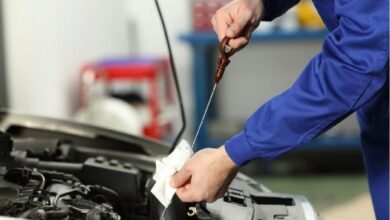
A good dealer follows strict operational checks. They inspect the engine, transmission, tires, and bodywork to confirm the car is as advertised. They don’t just rely on the auction sheet; they do their own checks.
5 Steps to Find a Trusted Japanese Car Dealer
1. Verify Their Physical Presence and History
A legitimate dealer should have a verifiable physical address. Be cautious of sellers who only communicate via social media or WhatsApp without a fixed location.
What to look for: Check if the dealer has a physical office address in Japan or the UK. For example, companies like DCY Europe have operated from a fixed location in York for over 20 years, which builds confidence. Similarly, GSAT UK Limited operates from High Wycombe and is listed on trusted platforms like The AA and Autotrader.
Company age: How long have they been in business? Dealers with nearly a decade of experience, like MRT TRADERS LTD. (founded 2016), have a track record you can investigate.
2. Check Reviews on Independent Platforms
Don’t just trust the testimonials on a dealer’s website. Look for reviews on third-party sites like Google, or Trustpilot.
What to look for: Look for patterns. Are customers happy with the vehicle condition? Was the dealer helpful after the sale? For instance, GSAT UK LTD on Autotrader has multiple 5-star reviews praising their professionalism and the quality of cars like the Toyota Estima and Voxy.
How Nobuko Japan does it: We actively collect feedback through post-delivery emails, WhatsApp, and Google Reviews. We use this feedback to improve our services, such as providing HD photos and better paperwork support.
3. Ask About Their Inspection Process
A trusted dealer will be happy to explain how they check their vehicles. They should not rely solely on Japanese auction sheets.
Why this matters: Auction sheets are useful, but they are done quickly. Minor defects can be missed. When the car gets to the yard of good dealers, they do their own arrival check.
Checks they should make: Inquire whether they look to check the mileage, check the rust under, test the air conditioning, check OBD2 diagnostic scan for unreadable engine faults, and make sure the battery as well. A dealer that does this is a serious quality dealer.
4. Insist on Auction Sheet Verification
The auction sheet is the birth certificate of a Japanese used car. It shows the grade, mileage, and any accident history.
The risk: Sometimes, sellers provide blurry or cropped photos of auction sheets where the details are hidden.
The solution: A trusted dealer will provide a clear, complete auction sheet. You should also verify the chassis number online. If a dealer says “auction sheet records not found,” be careful. It could mean the car was sold privately, or the records are old, but it could also mean something is being hidden. Dealers committed to transparency will help you verify this history.
5. Evaluate Their Communication and Support
The way that a dealer treats you during a pre-sale period is a good predictor on how they will treat you at the post sale period.
Response times: Are they responsive? At Nobuko Japan, we ensure that we respond to live chat within 5 minutes during auction time since our customers informed us that time is of the essence.
Language support: In case you feel more at home using a certain language, inquire whether they can assist you. The introduction of multilingual support is an indication that a dealer listens to the needs of customers.
Paper work instructions: Car importation is associated with customs and registration. The process becomes easy when a trusted dealer comes in to offer guides or step-by-step assistance.
Red Flags to Avoid
Urgent selling: The honest dealer will not rush you at all. Scammers will rush you.
Accepting cash or no trace payments only: Accept secure payments.
Ambiguous responses to vehicle history: When they are unable to answer the question of how the car got there or give the auction paper, run.
Prices which are too good: When a Toyota Alphard prices at half the value of other cars being offered, it is probable that there is a reason behind it.
Why Choose a Specialist Importer?
UK-based import specialists offer an extra layer of security. Companies like DCY Europe offer an “Order Service” where they source the exact car you want from Japan. They handle the import, inspection, MOT, and registration so the car is ready to drive when it arrives. This removes the stress of dealing with overseas logistics yourself.
How Nobuko Japan Fits the EEAT Standard
At Nobuko Japan, we follow the EEAT principle: Experience, Expertise, Authoritativeness, and Trustworthiness.
Experience: We have years of experience exporting Japanese vehicles to the UK, Cyprus, and Ireland.
Expertise: We understand Japanese auction houses like USS, TAA, and JU. We know how to read auction sheets and verify vehicle specifications.
Authoritativeness: Our industry knows us as a trusted B2B partner, and we do share our knowledge and processes with our customers.
Credibility: We gather and respond to customer feedback. We do not run away when we receive reviews; we use them to improve. We pay attention to our buyers whether it involves giving 360-degree photos or making the customs paperwork easier.
FAQs
1. What is the most important document I should ask for when buying a Japanese used car?
The most significant document is the auction sheet. This sheet contains the grade of the vehicle, the actual mileage, and the record of the vehicle of any accidents or repair history. Once you have a trusted dealer he will always give you a clean copy of this sheet to study.
2. Can I trust online reviews for Japanese car exporters?
Yes, you should look at the reviews on such websites as Google and Trustpilot. Autotrader and AA dealers adhere to guidelines, and customer reviews confirm their quality and service.
3. What should I do if a dealer cannot provide an auction sheet?
In case a dealer is not able to present an auction sheet, request an export certificate, service records, or a recent inspection. When none of them is available, it raises a red flag; trusted partners such as Nobuko Japan will assist in establishing the history of the car.
Conclusion
To locate a trusted dealer for Japanese Second Hand Vehicles a little research is necessary, but it pays off. Search the companies that have a physical presence, have good independent reviews and a clear inspection process. Stay away of anyone who conceals information or is in a hurry to have you buy.
Nobuko Japan is the place to visit whether you need a good family car or a particular import model. We mix our experience in Japanese market with the ability to listen to our customers. You can call us and begin your search today.