When choosing an electric bike for city commuting, one of the most common technical questions riders encounter is whether to choose a hub motor or a mid-drive motor. These two motor types represent the most widely used propulsion systems in modern e-bikes, and each offers distinct advantages depending on how and where the bike will be used.
For urban commuters, the difference between hub motors and mid-drive motors can influence ride feel, efficiency, maintenance, and overall practicality. Understanding how these systems work—and how they perform in real commuting situations—can help riders choose the option that best fits their daily travel needs.
Understanding the Two Motor Types
Before comparing their advantages, it helps to understand how hub motors and mid-drive motors differ in design.
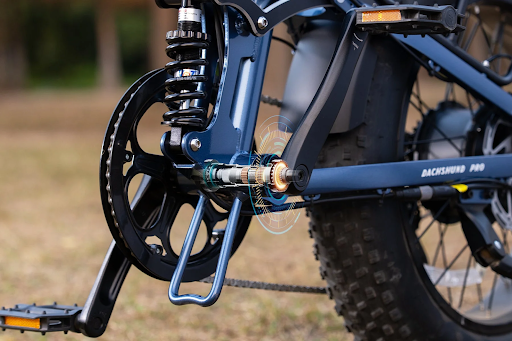
A hub motor is located inside the wheel hub, usually in the rear wheel. When activated, the motor directly spins the wheel to move the bike forward. Because the motor is integrated into the wheel, the system is relatively simple and compact.
A mid-drive motor, on the other hand, is positioned at the center of the bike near the crankset and pedals. Instead of driving the wheel directly, the motor assists the rider’s pedaling by applying power through the bike’s drivetrain.
Both systems provide electric assistance, but they deliver that power in different ways, which affects how the bike performs in city environments.
Hub Motors: Simplicity and Smooth Urban Riding
Hub motors are widely used in commuter e-bikes because of their straightforward design and ease of use. Since the motor is built directly into the wheel, the system contains fewer moving parts and tends to require less mechanical complexity.
For urban riders, this simplicity offers several benefits.
First, hub motors generally provide smooth and consistent acceleration, which works well for stop-and-go city riding. When starting from traffic lights or intersections, the motor can deliver steady assistance without requiring the rider to shift gears frequently.
Second, hub motor systems are often more affordable, making them common in entry-level and mid-range commuter e-bikes. Riders looking for a practical and accessible commuting option often find hub motor bikes appealing.
Another advantage is reduced drivetrain wear. Because the motor powers the wheel directly rather than pushing through the chain and gears, the drivetrain experiences less additional stress compared with mid-drive systems.
For riders who prioritize reliability and simplicity, hub motors can be an excellent choice.
Mid-Drive Motors: Natural Riding Feel
Mid-drive motors take a different approach to electric assistance. By applying power through the pedals and drivetrain, they work in combination with the rider’s pedaling effort rather than independently.
This design creates a more natural riding experience that feels similar to traditional cycling but with added power.
For commuters navigating varied terrain, mid-drive motors offer an important advantage: they work with the bike’s gears. Riders can shift gears to optimize motor performance when climbing hills or accelerating from stops.
Because the motor sits near the center of the frame, mid-drive bikes also tend to have better weight distribution. This balanced layout can improve handling and stability, especially when navigating tight turns or crowded streets.
For riders who value responsive handling and efficient power delivery, mid-drive motors are often preferred.
Performance on City Streets
In everyday commuting conditions, both motor types can perform well. The key differences become more noticeable in certain scenarios.
Hub motors excel on flat urban routes where the rider maintains steady speeds and faces relatively gentle terrain. They provide straightforward assistance without requiring much rider input.
Mid-drive motors tend to shine when riding involves hills or frequent gear changes. Because the motor can take advantage of the bike’s gearing system, it can deliver stronger climbing performance while maintaining efficiency.
In cities with varied elevation or steep streets, mid-drive motors may feel more powerful and adaptable.
Weight Distribution and Handling
Motor placement also affects how an e-bike feels while riding. Hub motors add weight to the wheel where they are installed—usually the rear wheel.
Mid-drive motors place weight at the center of the bike near the pedals. This positioning lowers the center of gravity and distributes weight more evenly across the frame.
Many riders find that mid-drive bikes feel slightly more balanced, particularly when cornering or riding at slower speeds in crowded environments.
However, for typical commuting speeds, the difference in handling may be subtle for many riders.
Maintenance Considerations
Maintenance is another factor worth considering when choosing between motor types.
Hub motors generally require less drivetrain maintenance, since the motor does not transmit power through the chain and gears. This can help reduce wear on those components.
Mid-drive motors, by contrast, apply additional force through the drivetrain. Over time, chains and gears may experience slightly more wear, meaning they may need replacement sooner.
However, modern mid-drive systems are designed to handle this extra load, and proper maintenance can keep the drivetrain functioning smoothly.
Overall, both motor types are designed to be reliable when properly cared for.
Cost Differences Between the Two Systems
Price can also influence the decision between hub and mid-drive motors. Hub motor systems are typically less expensive to manufacture, which often results in lower overall bike prices.
Mid-drive motors, especially those from premium motor manufacturers, tend to increase the cost of the bike.
For riders on tighter budgets, hub motor e-bikes can offer excellent value while still delivering strong commuting performance.
Those willing to invest more for refined ride quality and performance may prefer mid-drive systems.
Which Motor Type Is Better for City Commuting?
The answer ultimately depends on how the bike will be used.
Hub motor e-bikes are often ideal for riders who:
- Commute on relatively flat routes
- Want a simple and affordable system
- Prefer lower maintenance demands
- Ride primarily on city streets
Mid-drive e-bikes may be better suited for riders who:
- Travel through hilly urban environments
- Want a more natural pedaling feel
- Value balanced handling and weight distribution
- Ride longer distances or in varied terrain
Both motor types are capable of delivering excellent performance for daily commuting.
E-Bikes Designed for Urban Commuting
As the commuter e-bike market grows, many manufacturers are designing bikes specifically for urban riding conditions. These models often focus on practical features such as comfort, reliability, and balanced performance rather than extreme power.
Brands working in the commuter segment, including Puckipuppy, reflect this trend by offering city-oriented e-bikes designed to handle everyday travel efficiently.
By combining thoughtful motor systems with practical commuter features, these bikes aim to make daily riding smoother and more accessible for urban riders.
Conclusion
When comparing hub motors and mid-drive motors for city commuting, there is no single “best” option for every rider. Both systems offer distinct advantages depending on riding style, terrain, and personal preferences.
Hub motors provide simplicity, affordability, and dependable assistance for everyday urban routes. Mid-drive motors offer refined performance, efficient climbing ability, and balanced handling.
For commuters navigating busy city streets, the most important factor is choosing a bike that feels comfortable, reliable, and suited to the rider’s daily routine. With either motor type, modern commuter e-bikes offer a practical and efficient way to move through urban environments.