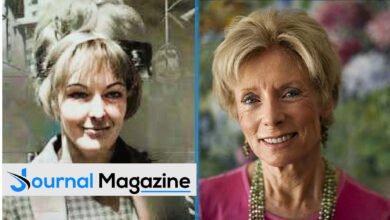
Irene Bejach: A Holocaust Survivor’s Journey From Kindertransport Rescue To An Enduring Legacy

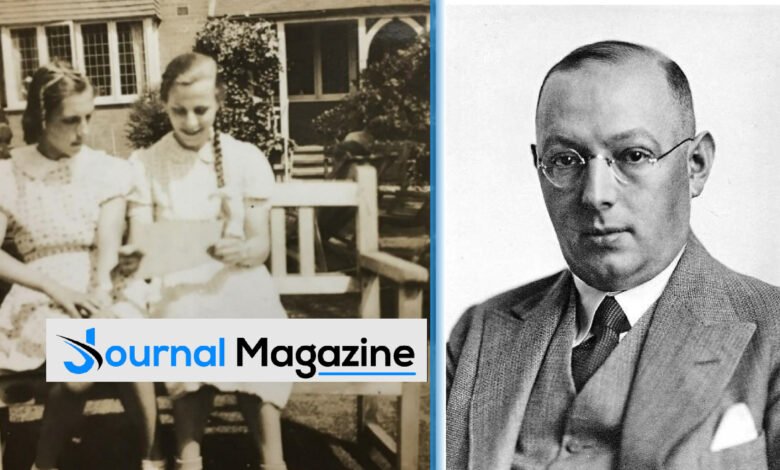
The story of Irene Bejach matters now more than ever because it stands at the intersection of human courage, loss, survival, and the extraordinary compassion shown during one of the darkest chapters in modern history. Irene was a young Jewish girl rescued through the Kindertransport, a humanitarian evacuation that saved nearly 10,000 Jewish children before World War II began. Her name resurfaced globally when Sir David Attenborough spoke emotionally about her and her sister, Helga, describing them as “our sisters really,” after his family gave them a home for seven years during the war. Irene’s life speaks for thousands of children uprooted by Nazi persecution and for families shattered by the Holocaust. People search her name today because of historical interest, media features, Attenborough’s interviews, and the growing effort to document Kindertransport stories. This article explores Irene’s early life, the rise of Nazi Germany, her escape to Britain, her years with the Attenborough family, her post-war journey to America, and the enduring legacy preserved through letters, documents, and descendants who continue to honor her memory.
Profile Bio: Irene Bejach
| Personal Details | Information |
|---|---|
| Full Name | Irene Bejach |
| Birth Year | Early 1920s (Approx.) |
| Place of Birth | Berlin, Germany |
| Nationality | German (Jewish Refugee) |
| Ethnicity | Jewish |
| Religion | Judaism |
| Father | Dr. Curt Bejach (Chief Medical Health Officer, Berlin) |
| Mother | Passed away from tuberculosis before WWII |
| Siblings | Helga Bejach (younger), Jutta Bejach (elder) |
| Kindertransport Arrival | 1939 |
| Foster Family | Attenborough Family, Leicester, UK |
| Years Lived with Attenboroughs | 1939–1946 |
| Migration After WWII | Moved to the United States |
| Known For | Kindertransport survivor; foster sister of Sir David Attenborough |
| Death | Not publicly documented in detail |
| Legacy | Letters, diaries, and documents preserved by family for Holocaust history |
Early Life and Family Background in Berlin
Irene Bejach was born in the early 1920s in Berlin, Germany, where she grew up in a cultured and educated Jewish household. Her father, Dr. Curt Bejach, was the chief medical health officer of a Berlin district, a respected physician deeply committed to public health. Her mother died earlier of tuberculosis, leaving Irene, her younger sister Helga, and her older sister Jutta in the care of their father. The Bejach family lived during a time when Jewish communities in Germany experienced growing antisemitism, discrimination, and social marginalization. Yet, the household remained full of learning, tradition, and cultural richness. As political tensions escalated in the 1930s, Jewish families like the Bejachs watched their rights shrink and their safety disappear. The emotional atmosphere for Jewish children at the time was one of confusion, fear, and uncertainty, as they saw their world changing in ways they could not fully understand.
Jewish Persecution in Nazi Germany and the Bejach Family’s Struggles
After 1933, Jewish families in Germany faced increasingly harsh restrictions. Professionals like Dr. Curt Bejach were stripped of their positions, denied the right to work freely, and targeted by discriminatory laws that sought to remove Jewish influence from public life. Arrests, violence, and deportations became normal under Nazi rule. Parents urgently sought any possible way to protect their children, knowing the dangers that lay ahead. For the Bejach family, the Kindertransport became the only hope. Humanitarian networks arranged for children to escape, even though it meant heartbreaking separation from parents. Irene and Helga were selected for transport, reflecting the impossible choices Jewish families were forced to make. Their experience mirrors the reality of thousands of Jewish families torn apart as they faced life-and-death decisions each day.
Kindertransport Escape — Irene and Helga’s Journey to Safety
In 1938–1939, the British Kindertransport missions rescued nearly 10,000 Jewish children from Nazi-controlled territories. Irene, aged 13, and Helga, aged 11, boarded one of the final transports leaving Germany before war broke out. The separation from their father and older sister was devastating. Dr. Bejach reassured them that they would reunite soon, a promise made lovingly but tragically. In 1944, he was murdered in Auschwitz, one of millions killed in the Holocaust. For Irene and Helga, the journey by train and ship to Britain was filled with fear, uncertainty, and loneliness. They had no idea where they were going or what awaited them. Their courage in leaving everything familiar behind at such a young age remains one of the most moving aspects of their story.
Life With the Attenborough Family — A New Home in Leicester
Upon arrival in Britain, the sisters were taken in by the Attenborough family of Leicester. Their mother, Mary Attenborough, was a passionate social activist who had organized aid for Basque children during the Spanish Civil War. Their father, Frederick Attenborough, was the principal of University College Leicester. They also had three sons: Richard, David, and John. When the girls arrived, Mary gathered her sons and said, “We love you boys, but we must love the girls even more because they are alone.” The sisters lived with the Attenboroughs for seven years, becoming part of the family in every sense. Sir David Attenborough later said, “They were our sisters really,” reflecting the deep emotional bond that formed. The girls shared meals, schooling, household routines, and wartime life with the Attenborough children, finding safety, stability, and affection during a time of global chaos.
World War II Years — Safety, Trauma, and Growing Up in Britain
During the war, Irene and Helga adjusted to a new culture, language, and environment. Leicester faced air raids, rationing, and wartime tension, but it was still a place of safety compared to Nazi Germany. The girls attended school, formed friendships, and slowly built new identities in their adopted home. Yet wartime life was emotionally heavy. News from Europe was limited, and the fate of Jewish communities remained uncertain. Eventually, the devastating truth reached them: their father had been killed in Auschwitz. This loss shaped their emotional world and marked the permanent severing of their childhood home. Despite trauma and grief, Irene continued to grow and learn, supported by the Attenborough family, who offered comfort and stability.
Post-War Life — Reunification and Journey to America
After the war, humanitarian organizations helped locate surviving relatives of displaced children. Irene and Helga were eventually reunited with extended family members in New York. Their older sister Jutta, who had been left behind in Germany because she was too old for Kindertransport, later joined them; she lived to the remarkable age of 99. Irene’s post-war years included adjusting to American life, pursuing education, building a career, and starting a family. Although she began a new chapter in the United States, her bond with the Attenborough family remained strong. The years she spent in Leicester shaped her emotionally and socially, providing a foundation for rebuilding her life after the trauma of war.
Relationship With the Attenborough Family Through the Decades
Despite moving to America, Irene and her sister maintained a lifelong connection with the Attenboroughs. Letters, holiday cards, and family visits continued for decades. Sir Richard Attenborough invited the Bejach descendants to movie premieres in New York. Their families met on numerous occasions, sharing memories and deep affection. One of Helga’s grandsons even grew up to become an environmentalist inspired by Sir David Attenborough’s work. In 2020–2021, a large family reunion was held, bringing together descendants of both the Bejach and Attenborough families. When guests were leaving, Sir David reportedly said he suddenly realized that many of those lives might not have existed without his parents’ compassion.
Legacy of Irene Bejach — Diaries, Letters, and Preservation of History
To preserve their mother’s story, Helga’s daughters donated diaries, letters, and important documents to the University of Leicester. These materials provide insight into Jewish refugee life, Kindertransport experiences, and the emotional journey of survival. Irene’s legacy lives on not only through historical archives but also through the families who exist today because she survived. Her life represents compassion, resilience, and the importance of memory in Holocaust education. She is remembered as a symbol of the many children rescued by the kindness of strangers during a time of hate.
Timeline of Key Events in Irene Bejach’s Life
– Born in Berlin in the early 1920s
– Raised in a culturally rich Jewish family
– Faced antisemitism under Nazi rule
– Kindertransport escape with sister Helga in 1939
– Lived with the Attenborough family in Leicester for seven years
– Learned of her father’s death in Auschwitz
– Reunited with relatives after WWII
– Moved to the United States
– Built a new life and maintained ties with Attenboroughs
– Honored through family archives and reunions after her death
Important Themes and Historical Lessons from Irene’s Story
Irene’s story teaches the profound impact of humanitarian rescue missions like the Kindertransport. It shows how ordinary families, such as the Attenboroughs, can save lives simply through compassion and courage. Her experience highlights the trauma children endure during war, the long-term effects of displacement, and the challenges of rebuilding identity after loss. It reminds us of the importance of remembering Holocaust stories to prevent future atrocities. Her life encourages empathy, intercultural understanding, and the belief that individual acts of kindness can shape generations.
Conclusion
Irene Bejach’s life stands as a testament to quiet courage, resilience in the face of overwhelming loss, and the power of mercy shown by the Attenborough family. Without their kindness, her story — and the generations that followed her — might have been erased by the Holocaust. Her journey from Berlin to Leicester and then to America reflects the broader story of survival shared by many Jewish refugees. Today, her name reminds us that even small acts of humanity can change history. Honoring Irene is also honoring the Attenboroughs, whose compassion provided a sanctuary that allowed her life to continue and flourish. Her story remains a meaningful reminder that love can overcome even the darkest forces in the world.
FAQs About Irene Bejach
1. Who was Irene Bejach?
Irene Bejach was a Jewish refugee from Berlin who escaped Nazi persecution through the Kindertransport in 1939. She lived for seven years with Sir David Attenborough’s family in Leicester before moving to the United States after World War II.
2. Why is Irene Bejach connected to Sir David Attenborough?
Irene and her sister Helga were taken in by the Attenborough family during the war. David Attenborough grew up with them and often described the girls as “our sisters,” reflecting the deep bond they shared.
3. How did Irene Bejach escape Nazi Germany?
Irene escaped Germany through the Kindertransport, a rescue mission that brought nearly 10,000 Jewish children to safety in Britain just before World War II began.
4. What happened to Irene Bejach’s parents?
Her mother died of tuberculosis earlier, and her father, Dr. Curt Bejach, was murdered in Auschwitz in 1944 during the Holocaust.
5. What is Irene Bejach’s legacy today?
Irene’s legacy lives on through preserved diaries, letters, and historical documents donated to the University of Leicester, ongoing Holocaust education, and her family’s continued connection to the Attenboroughs.
Read More: Who Is Hilary Gish? Complete Biography Of Jack Whitehall’s Mother & British Actress