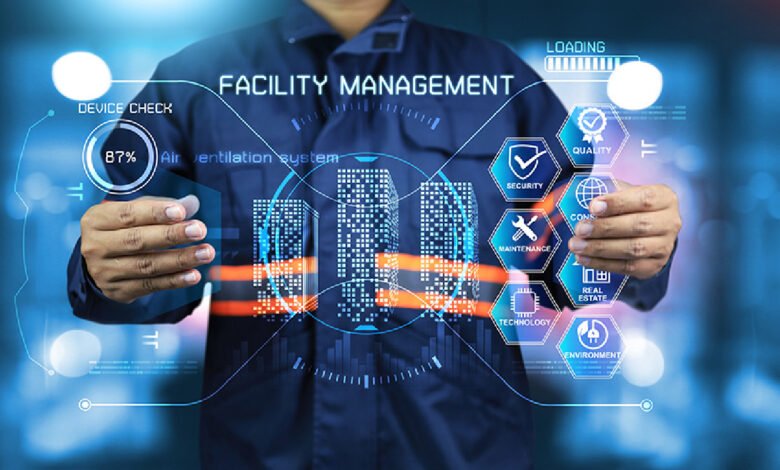
Facilities management covers the day to day work that keeps buildings running. It includes maintenance, compliance, cleaning, security, energy control and space use. Digital technology helps teams plan work, spot faults early and keep records in one place. It also helps contractors, site teams and managers share the same information.
Digital change in facilities management is not only about new software. It is about clearer processes. It is about better data. It is about faster action when something fails.
The role of digital technology in modern facilities management
Facilities teams often deal with scattered data. Paper checklists, emails and spreadsheets can hide risk. They also slow down response times. Digital tools bring tasks, data and evidence into one system.
This shift supports three basic needs. First, teams need a clear view of assets and building systems. Second, they need control of planned work and reactive work. Third, they need proof of what was done, when it was done, and by whom.
Core digital technologies used in facilities management
A range of technologies now exist and are being adopted that help improve both efficiency and safety in facilities. Facilities management training courses can help build the expertise needed to integrate these technologies into safe systems of work.
Computer-aided facilities management (CAFM) systems
CAFM systems help teams manage assets, space and maintenance schedules. They can hold asset registers, service history and work orders. They also support reporting for audits and budget planning.
Building management systems (BMS)
A BMS controls and monitors building services such as heating, ventilation and air conditioning. It can also cover lighting and alarms depending on the setup. It gives teams a live view of performance and faults.
Internet of Things (IoT) sensors
IoT sensors collect data from equipment and spaces. They can track temperature, humidity, vibration, occupancy and more. This data helps teams spot issues early and reduce unplanned downtime.
Cloud-based platforms
Cloud platforms keep data available across sites and teams. They support remote access for managers and engineers. They also help standardise records across a portfolio, with controlled access and backups.
Mobile applications for facilities teams
Mobile apps support work on-site. Engineers can receive tasks, follow checklists and upload photos. Teams can close jobs in real time, which improves data quality and speeds up reporting.
Improving maintenance and asset management through digital tools
Maintenance is one of the highest cost and risk areas in facilities management. Digital tools help teams move from reactive work to planned work. They also improve the quality of records, which supports better decisions.
Planned and predictive maintenance
Planned maintenance uses schedules based on time or usage. Predictive maintenance uses data to estimate when a failure is likely. This reduces emergency callouts and helps extend asset life.
Real-time fault reporting and alerts
Systems can trigger alerts when readings go out of range. This can include temperature drift, pressure drops or unexpected shutdowns. Faster alerts reduce the time between fault and response.
Asset tracking and lifecycle management
Digital asset records support control over replacement planning. They can show age, condition and repair history. This helps prioritise spend and avoid repeated fixes on failing equipment.
Data-driven decision-making
Good data helps managers compare sites and assets. It also helps show which issues cause repeat downtime. Over time, this supports better budgets, better contractor control and clearer performance targets.
Challenges and risks of digital adoption
Digital change can fail when tools are bought before processes are fixed. Teams may also inherit poor data from old systems. If this is copied into a new platform, it creates the same problems in a new place.
Cost is another barrier. Licences, setup, integration and support add up. Some sites also lack network coverage, which affects cloud tools and mobile apps.
Cybersecurity is a core risk. Building systems can be targets. A weak password, shared logins or unpatched software can expose the whole site. Facilities teams need clear access controls, update schedules and supplier checks.
Skills gaps matter too. A system that is not used in the same way by every team will produce weak data. It can also trigger workarounds that bring back spreadsheets and email trails.
Steps to implement digital technology in facilities management
A structured approach reduces waste and disruption. It also helps prove value early.
Set clear outcomes and measures
Outcomes should be tied to real work. Examples include fewer unplanned callouts, lower energy use, faster close times for work orders and fewer compliance gaps. Measures should be agreed before rollout so progress can be tracked.
Map current processes and gaps
Teams should document how tasks are raised, assigned and closed. They should also record where delays happen, where checks are missed and where evidence is lost. This map guides tool choice and setup.
Choose systems that integrate
Tools should share data where it matters. A CAFM system that cannot link to asset data, contractor records or finance reporting will limit value. Integration should be planned early, including data formats, user roles and update rules.
Train staff and standardise use
Training should focus on real tasks, not menus and features. It should also cover why the data matters. Many teams combine role-based onboarding with refreshers, including support for health and safety elearning where training records and compliance checks sit alongside facilities workflows.
Test, refine, then scale
Pilots should be run on one site or one service line. Issues should be fixed before wider rollout. After scale-up, teams should keep review cycles so processes and data quality do not drift.
The future of digital facilities management
Facilities management is moving towards more automation and more connected systems. Sensors will support more predictive work. Building systems will become more responsive to occupancy and usage.
AI is also starting to support triage and admin tasks. It can help classify faults, suggest likely causes and route jobs to the right team. Over time, this may reduce manual reporting and speed up decisions, but it will still depend on clean data and clear processes.
Sustainability reporting will also push digital adoption. Energy data, equipment efficiency and maintenance records will need to be linked. Organisations will need evidence that actions were taken, not only policies written.
From tools to control
Digital technology helps facilities teams stay in control of buildings and risks. It improves planning, speeds up response and strengthens evidence. The best results come when systems support clear processes, clean data and consistent use across sites.