The Complete Guide to Vinyl Flooring: Styles, Benefits and How to Choose the Best Option for Your Home

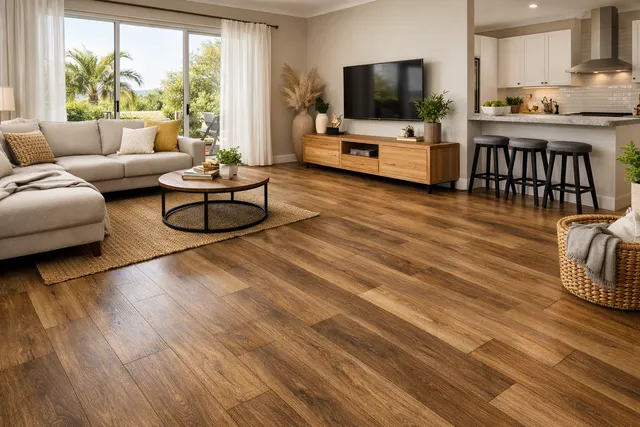
Vinyl flooring has rapidly become one of the most in‑demand flooring solutions in UK homes, thanks to its exceptional durability, waterproof construction and realistic wood and stone designs. Modern vinyl flooring is a far cry from the thin sheet vinyl of decades past. Today’s products offer premium performance with impressive aesthetic detail. Whether you are renovating a kitchen, upgrading a hallway or designing a modern open‑plan living space, vinyl flooring provides a practical and stylish foundation.
This guide explores everything you need to know before choosing vinyl flooring, including the different types, key specifications, trending designs and room‑by‑room recommendations.
What Is Vinyl Flooring?
Vinyl flooring is a multi‑layered, resilient flooring material designed to replicate natural wood, stone or tile. It is engineered for strength, stability and moisture resistance, making it suitable for almost every room in the home. The most common types of vinyl flooring include:
- Luxury Vinyl Tile (LVT)
- SPC vinyl flooring (Stone Plastic Composite)
- Click vinyl flooring (rigid‑core floating floors)
- Glue‑down vinyl flooring
Each type offers unique benefits depending on your installation needs and room conditions.
Why Vinyl Flooring Is So Popular in the UK
Vinyl flooring has become a top choice for homeowners due to its combination of practicality, durability and design versatility.
- 100% Waterproof Construction
One of the biggest advantages of vinyl flooring is its waterproof design. This makes it ideal for kitchens, bathrooms, utility rooms and hallways where spills and moisture are common.
- Realistic Wood and Stone Effects
High‑definition printing and textured surfaces allow vinyl flooring to mimic natural materials with remarkable accuracy. Popular styles include oak vinyl flooring, grey vinyl flooring, herringbone LVT and stone‑effect vinyl tiles.
- Exceptional Durability
SPC and LVT flooring are engineered to withstand heavy foot traffic, making them suitable for busy households. Their wear layers protect against scratches, dents and stains.
- Easy Installation
Click vinyl flooring uses a simple locking mechanism that allows planks to float over the subfloor. This makes it a popular choice for DIY projects and quick renovations.
- Comfort and Sound Reduction
Vinyl flooring offers a softer, warmer feel underfoot compared to laminate or tile. Many products also include built‑in underlay for improved acoustic performance.
- Low Maintenance
Vinyl flooring requires minimal upkeep. Regular sweeping and occasional mopping are enough to keep it looking new.
Types of Vinyl Flooring Explained
Understanding the differences between LVT, SPC and other vinyl types will help you choose the right product for your home.
Luxury Vinyl Tile (LVT)
LVT is a flexible vinyl plank or tile that offers excellent comfort and realistic design. It is available in both glue‑down and click‑lock formats. Glue‑down LVT is ideal for commercial spaces or areas requiring maximum stability, while click LVT is easier to install and suitable for most domestic settings.
SPC Vinyl Flooring
SPC (Stone Plastic Composite) flooring features a rigid stone‑based core that provides superior strength and stability. It is highly resistant to dents, temperature changes and moisture. SPC vinyl flooring is an excellent choice for high‑traffic areas and rooms with fluctuating temperatures.
Click Vinyl Flooring
Click vinyl flooring uses a floating installation system, making it quick and straightforward to fit. It is available in both LVT and SPC formats and is one of the most popular choices for modern homes.
Glue‑Down Vinyl Flooring
Glue‑down vinyl is fully adhered to the subfloor, offering maximum stability. It is commonly used in commercial environments or large open spaces.
Key Specifications to Consider
When comparing vinyl flooring options, pay attention to the following features:
Wear Layer Thickness
The wear layer protects the floor from scratches and wear. Thicker wear layers offer better durability, especially in busy households.
Core Type
SPC cores provide rigidity and strength, while traditional LVT cores offer flexibility and comfort.
Underlay Compatibility
Some vinyl floors include built‑in underlay, while others require a separate underlay for sound reduction or insulation.
Installation Method
Choose between click‑lock, glue‑down or loose‑lay depending on your skill level and room requirements.
Trending Vinyl Flooring Styles for 2024–2025
Vinyl flooring trends continue to evolve, with homeowners favouring natural, modern and minimalist designs. Popular styles include:
Natural Oak Vinyl Flooring
Oak‑effect vinyl remains a top choice due to its timeless appeal and ability to complement both traditional and contemporary interiors.
Grey Vinyl Flooring
Grey tones create a clean, modern aesthetic and pair well with neutral colour schemes.
Herringbone LVT
Herringbone vinyl flooring offers the elegance of parquet without the high installation cost. It is ideal for hallways, living rooms and open‑plan spaces.
Stone‑Effect Vinyl Tiles
Stone‑effect LVT provides the look of slate, marble or concrete with the comfort and warmth of vinyl.
Wide‑Plank Vinyl Flooring
Wide planks create a spacious, luxurious feel and are particularly popular in modern homes.
Where to Use Vinyl Flooring in Your Home
Vinyl flooring is suitable for almost every room. Here is a text‑only breakdown of recommended options:
- Kitchen:
Waterproof SPC or LVT flooring is ideal due to its moisture resistance and durability. - Bathroom:
Fully waterproof vinyl flooring is recommended. Choose products with anti‑slip finishes for added safety. - Hallway:
SPC vinyl flooring works well in high‑traffic areas thanks to its rigid core and dent resistance. - Living Room:
Click LVT or SPC flooring provides comfort, warmth and a premium appearance. - Bedroom:
LVT flooring with a softer feel underfoot is a great choice for creating a cosy environment. - Utility Room:
Waterproof vinyl flooring ensures long‑lasting performance in moisture‑prone areas.
How to Maintain Vinyl Flooring
Vinyl flooring is designed for easy maintenance. Follow these simple steps:
- Sweep or vacuum regularly
- Mop with a damp (not wet) mop
- Avoid abrasive cleaning products
- Use felt pads under furniture
- Wipe spills promptly
With proper care, high‑quality vinyl flooring can last 20 years or more.
How to Choose the Best Vinyl Flooring for Your Home
When selecting vinyl flooring, consider:
- Room usage and foot traffic
- Whether you need waterproof or rigid‑core flooring
- Preferred style and colour
- Installation method (click or glue‑down)
- Budget and long‑term durability
Vinyl flooring offers one of the best combinations of style, practicality and value for UK homeowners.
Explore High‑Quality Vinyl Flooring
If you are ready to compare styles, specifications and finishes, explore a curated range of vinyl flooring options designed for every home and budget. From waterproof SPC flooring to luxury LVT tiles, you will find durable, stylish and easy‑to‑install solutions for every room.
Authored by Lee McCarthy.
Floor Land
Cockhedge Shopping Centre
Warrington
Cheshire
United Kingdom
WA1 2QQ
sales@floor-land.co.uk