When Rain Meets Timber: The Quiet Seattle Problem Homeowners Often Miss

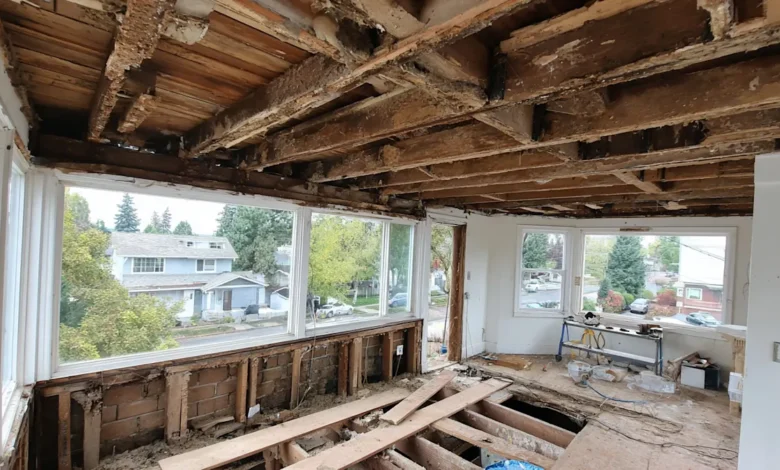
Seattle is a city that knows how to live with water. The streets shine after a drizzle, gardens stay lush, and the air carries that familiar cool dampness for much of the year. But the same climate that makes the Pacific Northwest feel alive can also create a slow, expensive problem inside the walls of many homes: wood decay that spreads quietly until a small repair becomes a major rebuild.
If you have ever pulled back trim around a window and found wood that crumbles like dry bread, or stepped onto a porch board that suddenly feels soft underfoot, you have met the reality behind the term “dry rot.” It is one of the most misunderstood issues in home maintenance, partly because it often stays invisible for years. When homeowners need a professional solution, services like Seattle Dry Rot Repair exist for a reason: the best fixes are not cosmetic patches, they are moisture source solutions plus proper structural restoration.
What “dry rot” actually means in real homes
The name is misleading. Wood does not decay because it is dry. It decays because moisture stays where it should not. When water repeatedly enters an assembly and the area cannot dry out fast enough, fungi can break down the wood’s structure over time. That breakdown reduces strength, compromises connections, and creates the kind of hidden damage that homeowners only discover during remodels, inspections, or emergency repairs.
In Seattle, moisture problems are rarely dramatic at first. They are often the result of small failures that accumulate: worn caulk, tired flashing, poorly directed downspouts, clogged gutters, or window details that were never integrated correctly. Water finds a path, then repeats it. The house behaves like a system, and any weak spot becomes a long term entry point.
Why Seattle homes are especially vulnerable
Seattle’s conditions create a perfect environment for persistent dampness. Frequent rain is only part of it. Long stretches of cool weather mean surfaces dry more slowly. Shade from trees and close neighbouring homes reduces sun exposure. Many older houses have beautiful timber details and trim work, which also creates more exterior wood interfaces that require maintenance.
Add to that the region’s mix of housing stock. Older homes may lack modern moisture management layers and may rely on paint and caulk as the main defence. Newer homes, if built with poor details, can trap moisture behind modern cladding systems. Different eras, same result: if water gets in and cannot get out, damage follows.
The early signs most people ignore
Dry rot rarely announces itself in a dramatic way. It hints. Homeowners often describe small “weird” clues that seem unrelated until the problem is opened up.
Paint may bubble or peel repeatedly in the same spot. Trim may look slightly swollen or uneven. A window might stick more after rain. There may be a persistent musty smell near one corner of the home. Deck boards may feel spongy, especially near the house connection. In some cases, you might see fine cracking in wood, dark staining, or gaps that reappear even after repainting.
The key pattern is repetition. If the same area keeps failing, it is often because the moisture pathway has never been corrected.
The most common places dry rot hides
Certain locations are classic risk zones in the Pacific Northwest:
Window sills and frames, especially at lower corners where water collects
Door thresholds and exterior trim, where foot traffic and weather meet
Deck ledgers and balcony connections, where structure meets exposure
Roof intersections and eaves, where runoff behaviour concentrates water
Siding transitions, especially where flashing is missing or installed poorly
Crawl spaces and rim joists, where humidity lingers and drying is slow
These are not just “places that get wet.” They are places where water enters and stays, and that staying is what matters.
Why patching often fails
Many homeowners first try the simplest approach: replace the visibly damaged piece of trim, repaint, and move on. It can look fine for a while. But if the moisture source remains, the same conditions return, and decay continues behind the surface.
A lasting repair requires two steps. First, identify and correct the moisture pathway, which can involve gutters, flashing, window integration, or deck drainage. Second, remove compromised wood back to sound material and rebuild correctly so the repaired area sheds water and can dry.
This is why dry rot is not just a carpentry job. It is an envelope problem with structural consequences. Treating it as a surface issue is how homeowners end up paying for the same corner of the house multiple times.
What a proper inspection and repair process should include
A good repair process starts with investigation. That may include checking how water behaves during rain, inspecting rooflines and downspout discharge, examining window and door details, and assessing adjacent areas that appear fine but may be affected.
Then comes scope clarity. Homeowners deserve to know what will be opened, what will be replaced, and what details will be improved to prevent recurrence. A strong contractor will explain the “why,” not just the “what.” They should also be transparent about what they cannot confirm until the area is opened, because hidden damage is real.
Finally, a durable job ends with proper reconstruction and finishing. That includes flashing and sealing details done correctly, materials chosen for the location, and a plan for maintenance going forward.
The resale and insurance angle homeowners should not ignore
Dry rot can affect a sale quickly because inspectors and buyers tend to assume the worst when they see decay. Even if the problem is localized, uncertainty drives negotiation. The best protection is documentation. Photos of the damaged area, proof of proper rebuild, and a clear statement that the moisture pathway was corrected can change the conversation from fear to confidence.
From an owner perspective, documentation is also useful for future renovations. When you know what was repaired and why, you reduce the risk of repeating the same failure years later.
Prevention that actually works in Seattle
Prevention is not glamorous, but it is cheaper than repair. In Seattle, the most effective habits are simple and consistent.
Keep gutters clear and ensure downspouts discharge away from the foundation. Watch roof intersections and areas where water concentrates. Maintain paint and caulk, but remember they are not your primary waterproofing system. The real protection comes from correct flashing and proper drainage details.
Indoors, manage humidity. Bathrooms and kitchens should vent outdoors properly, and fans should actually be used long enough to clear moisture. Crawl spaces should be assessed for dampness patterns and airflow conditions. A home that dries well is a home that resists decay.
The quiet truth about Seattle living
The Pacific Northwest is beautiful, but it asks homeowners to be attentive. Dry rot is not a moral failure or a sign that a home is “bad.” It is a predictable result of moisture meeting wood repeatedly over time.
The best approach is not panic, it is clarity. Notice patterns. Investigate early signs. Fix moisture pathways. Repair properly when damage is found. When you treat the issue early and professionally, the solution is often far more manageable than people fear, and the home can remain strong for decades to come.