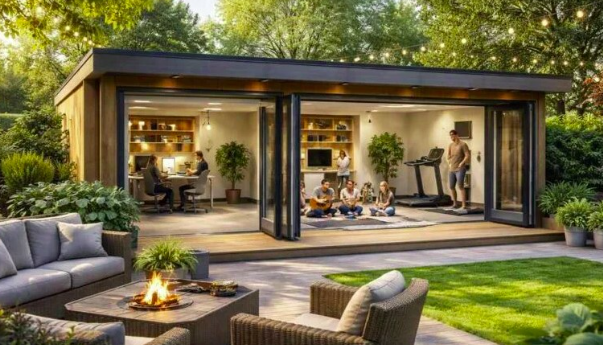
As homes evolve to meet modern needs, many homeowners are searching for practical ways to create extra space without the stress of moving. One solution that continues to grow in popularity is garden annexes.
These self-contained outdoor structures offer flexibility, comfort, and long-term value. Whether you need extra living space, a private guest suite, or a place for family members, garden annexes provide a smart and stylish alternative.
In this guide, we’ll explore why garden annexes are becoming a top choice and how they compare to options like a garden pod, along with key considerations such as annex planning permission.
What Are Garden Annexes?
Garden annexes are standalone buildings located within your property, typically in the backyard. Unlike basic outdoor rooms, they are designed to function as independent living spaces.
They can include:
- A bedroom or sleeping area
- Bathroom facilities
- Kitchen or kitchenette
- Living space
This makes them ideal for long-term use rather than occasional use.
Why Garden Annexes Are Gaining Popularity
Homeowners in 2026 are prioritizing flexibility and convenience. Garden annexes meet these needs perfectly.
Key Reasons Behind Their Popularity
- Rising property prices are making relocation difficult
- Increased demand for multi-functional living spaces
- Growth in multi-generational households
- Desire for privacy without separation
Instead of upgrading to a larger home, many people are upgrading their current space in smarter ways.
A Flexible Solution for Modern Living
One of the biggest advantages of garden annexes is their versatility.
How You Can Use a Garden Annexe
- Guest accommodation
- Home office or studio
- Rental space for additional income
- Living area for elderly family members
- Private retreat or relaxation zone
Compared to a simple garden pod, annexes offer a more complete living solution with full facilities.
Garden Annexes vs. Garden Pods: What’s the Difference?
Many homeowners confuse annexes with garden pods. While they may look similar, their purpose is quite different.
Garden Pods
A garden pod is typically:
- Smaller in size
- Used as an office, gym, or hobby room
- Not designed for full-time living
Garden Annexes
On the other hand, garden annexes are
- Larger and fully equipped
- Suitable for long-term accommodation
- Designed with comfort and independence in mind
A Cost-Effective Alternative to Moving
Moving to a bigger home can be expensive and time-consuming. Garden annexes offer a more affordable way to gain extra space.
Why They Save Money
- No need to buy a new property
- Lower construction costs than full extensions
- Minimal disruption during installation
- Potential for rental income
In many cases, a garden annexe pays for itself over time.
Increasing Property Value
Adding a garden annexe can significantly boost your property’s appeal.
Buyers are increasingly looking for homes that offer:
- Flexible living arrangements
- Additional usable space
- Potential income opportunities
A well-designed annexe can make your home stand out in a competitive market.
Ideal for Multi-Generational Living
Modern families often include multiple generations living together. Garden annexes make this arrangement much more comfortable.
Benefits for Families
- Privacy for both homeowners and occupants
- Proximity for support and care
- Independence for elderly family members
- Safe and convenient living arrangements
This balance of connection and independence is one of the biggest advantages.
Understanding Annex Planning Permission
Before building, it’s important to understand the rules around annex planning permission.
Do You Always Need Permission?
Not always. Some garden annexes fall under permitted development, but this depends on factors such as:
- Size and height of the structure
- Location within the property
- Intended use (living vs workspace)
- Local council regulations
When Permission Is Required
You may need approval if:
- The annexe will be used as a separate residence
- The structure exceeds size limits
- Your property is in a restricted area
Tips to Stay Compliant
- Always check local planning guidelines
- Consult with professionals before building
- Ensure your design meets legal requirements
Taking these steps early can save time and avoid complications later.
Custom Design to Suit Your Needs
One of the best things about garden annexes is how customizable they are.
Design Options Include
- Open-plan layouts
- Modern or traditional styles
- Energy-efficient insulation
- Smart home features
You can tailor every detail to match your lifestyle and preferences.
Quick Installation with Minimal Disruption
Compared to traditional home extensions, garden annexes are much quicker to build.
What Makes the Process Easier?
- Prefabricated construction options
- Less impact on your main home
- Shorter build timelines
- Reduced noise and mess
This means you can start using your new space much sooner.
A Sustainable Living Choice
Sustainability is becoming a priority for homeowners, and garden annexes support this shift.
Eco-Friendly Benefits
- Lower energy consumption
- Efficient use of outdoor space
- Opportunity to use sustainable materials
- Reduced need for large-scale construction
Some annexes even include solar panels and energy-saving systems.
Conclusion
Garden annexes are more than just an extra room—they are a smart, flexible solution for modern living. Whether you need additional space for family, work, or relaxation, they offer unmatched versatility.
Compared to a simple garden room, garden pod, annexes provide full living functionality. And with a proper understanding of annex planning permission, you can ensure a smooth and successful project.
As housing needs continue to evolve, garden annexes are proving to be one of the most practical and valuable investments homeowners can make.
Frequently Asked Questions (FAQ)
1. What is a garden annexe used for?
A garden annexe is typically used as a self-contained living space for guests, family members, or even rental purposes.
2. Do I need planning permission for a garden annexe?
It depends on the size, design, and intended use. Some projects require annex planning permission, so it’s important to check local regulations.
3. How is a garden annexe different from a garden pod?
A garden pod is usually a smaller space for work or leisure, while annexes are designed for full-time living with complete facilities.
4. Can I rent out my garden annexe?
In some cases, yes. However, you should check local laws and permissions before renting it out.
5. How long does it take to build a garden annexe?
Most projects can be completed within a few weeks, depending on size and complexity.
6. Do garden annexes add value to a property?
Yes, they can increase property value by adding functional and flexible living space.