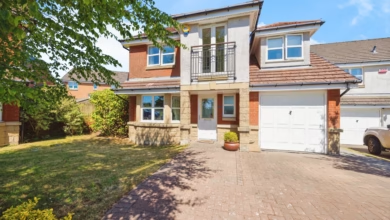
Buying your first home is one of the most exciting milestones in life, but it can also feel overwhelming. Most first-time buyers spend a lot of time focusing on the property itself — the number of bedrooms, the kitchen layout, or whether there’s a garden. However, one of the most important decisions you will make is something you cannot change later: the area you choose to live in.
The right neighbourhood can improve your lifestyle, support your daily routine, and even protect the long-term value of your investment. This guide breaks down how to confidently choose the perfect area before buying your first home in the UK.
Start with your lifestyle, not just the property
Before looking at listings, it’s important to understand how you live day to day. Every buyer has different priorities, and your ideal area should reflect your lifestyle.
Ask yourself:
- How long am I willing to commute?
- Do I need access to public transport?
- Do I want a quiet residential area or something more lively?
- Will I need schools, parks, or healthcare nearby?
Many first-time buyers rush into viewing homes without thinking about whether the surrounding area fits their routine. This often leads to disappointment later, even if the property itself is perfect.
A good approach is to list your non-negotiables and “nice-to-haves” before you begin your search.
Understand your budget and local price differences
Property prices in the UK vary significantly from one area to another. Even within the same town or city, prices can change depending on demand, transport links, and school catchment areas.
When choosing a neighbourhood, always compare:
- Average house prices in nearby areas
- Council tax bands
- Ongoing costs such as travel and commuting
- Future price growth potential
A slightly cheaper area may look attractive initially, but if it lacks transport or amenities, it may cost more in the long run through commuting or lifestyle inconvenience.
Check transport links and daily connectivity
Transport is one of the biggest factors affecting both lifestyle and resale value.
A well-connected area usually includes:
- Regular train or bus services
- Easy access to major roads or motorways
- Reasonable commuting times to work hubs
Even if you work from home, good transport links still matter. They affect resale value and make life easier for travel, shopping, and emergencies.
Buyers often underestimate how important connectivity is until they start living in the area daily.
Look at local amenities and essentials
A good neighbourhood should make daily life easy. This includes access to:
- Supermarkets and convenience stores
- GP surgeries, dentists, and pharmacies
- Schools and nurseries (if relevant)
- Parks, gyms, and leisure facilities
Spending time in an area before buying is very useful. Visit at different times of the day to see how busy it gets, what the parking situation is like, and whether the area feels comfortable.
Safety, environment, and long-term comfort
Safety is a key concern for all buyers, especially first-time homeowners. While no area is perfect, it is important to understand local conditions.
You can research:
- Local crime rates
- Street lighting and general upkeep
- Noise levels (traffic, nightlife, industrial activity)
- Flood risks or environmental issues
A simple walk around the neighbourhood can often tell you a lot more than online data alone.
Think about future growth, not just current value
A smart buyer also considers how an area might change in the future.
Look for signs such as:
- New housing developments
- Infrastructure projects (roads, rail improvements)
- New schools or commercial spaces
- Increasing demand from renters or buyers
Areas that are improving or being invested in often provide stronger long-term value.
Visit at different times and speak to locals
A neighbourhood can feel very different on a Saturday afternoon compared to a weekday morning.
To get a realistic picture:
- Visit during peak commuting hours
- Walk around in the evening
- Check weekend activity levels
- Talk to local residents if possible
Locals often provide honest insights about noise, safety, parking issues, or community feel that you won’t find online.
Use local experts to guide your decision
One of the most effective ways to understand a neighbourhood is by speaking to local estate agents who have in-depth knowledge of the property market. They can provide insights into which streets are most popular, where prices are rising, and which areas are best suited for first-time buyers.
If you are exploring different parts of Oxfordshire and want professional advice on local housing options, you can speak with estate agents in Banbury. Local experts can help you understand not only what properties are available, but also which neighbourhoods may suit your budget and lifestyle
Balance emotion with practical thinking
It is easy to fall in love with a property during a viewing, but try not to let emotions override practical considerations.
Before making an offer, ask yourself:
- Does this area support my long-term lifestyle?
- Will I still be happy living here in 5–10 years?
- Is the commute manageable every day?
- Are there enough amenities nearby?
A home is not just a building — it is the environment around it that shapes your daily experience.
Final thoughts
Choosing the right neighbourhood is just as important as choosing the right home. While properties can be renovated or improved over time, the location is permanent.
By focusing on lifestyle needs, transport, amenities, safety, and future growth, first-time buyers can make a confident and informed decision.
Taking the time to research properly now can save you years of regret later — and help ensure your first home truly feels like the right one.