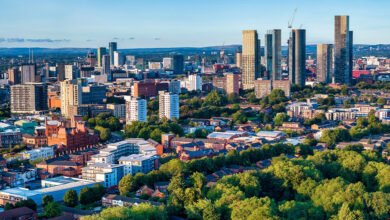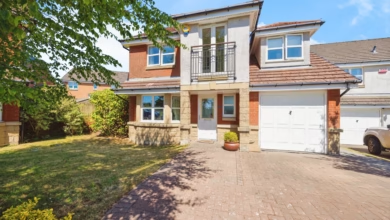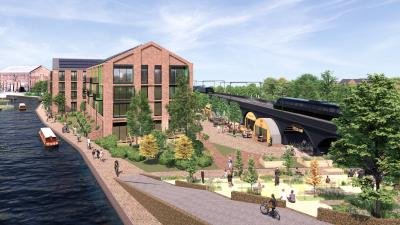
Large-scale regeneration is reshaping the property market across Wolverhampton, creating new residential hotspots and attracting growing interest from homeowners, landlords and investors. As investment continues across transport infrastructure, housing developments and commercial projects, previously overlooked areas are becoming increasingly attractive to buyers seeking affordability, connectivity and long-term growth potential.
For anyone following the local market, understanding how regeneration is influencing demand can provide valuable insight into where future opportunities may emerge.
Many buyers and investors begin by working with professionals who understand regeneration-led market trends, such as agents offering local property expertise, helping homeowners, landlords and investors navigate Wolverhampton’s evolving property market.
Regeneration Is Transforming Wolverhampton
Major investment is reshaping the city
Wolverhampton is currently benefiting from significant regeneration and infrastructure investment across several key areas of the city.
Projects include:
- City centre redevelopment
- New residential neighbourhoods
- Public realm improvements
- Transport and connectivity upgrades
- Commercial and employment investment zones
The city’s wider regeneration plans continue to focus on creating high-quality housing, improved public spaces and stronger transport integration.
As investment continues, buyer confidence across the local property market is increasing.
Transport Investment Is Driving Demand
Connectivity remains one of the city’s biggest strengths
Transport infrastructure improvements are playing a major role in shaping new property hotspots across Wolverhampton.
Key projects include:
- Upgrades to major transport corridors
- Improved public transport integration
- Enhanced walking and cycling infrastructure
- Better connectivity between residential and employment areas
Wolverhampton’s major transport investment programme is designed to improve accessibility while supporting future housing growth and regeneration priorities.
Areas with strong commuter connectivity are increasingly attracting professionals and families seeking affordability outside Birmingham.
City Centre Regeneration Is Changing Buyer Perception
Urban living demand is increasing
The city centre is undergoing substantial transformation through residential-led regeneration and mixed-use developments.
Projects within areas such as:
- Canalside Quarter
- City Centre West
- Springfield and Green Innovation Corridor
are helping reshape perceptions of Wolverhampton as a place to live and invest.
These developments are introducing:
- Modern apartments and housing
- Retail and leisure space
- Improved public areas and green infrastructure
As a result, city-centre living is becoming increasingly attractive to younger professionals and first-time buyers.
Regeneration Is Creating New Residential Hotspots
Previously overlooked areas are gaining attention
As investment spreads across Wolverhampton, certain neighbourhoods are beginning to attract stronger levels of buyer demand.
Areas benefiting from:
- Improved transport access
- New residential developments
- Public infrastructure upgrades
- Proximity to employment hubs
are increasingly viewed as locations with strong long-term growth potential.
The Canalside South regeneration area, in particular, is already influencing buyer and investor behaviour in eastern parts of the city.
Economic Growth Is Supporting Housing Demand
Employment investment strengthens the market
Regeneration is not only improving housing infrastructure but also supporting wider economic growth across Wolverhampton.
Investment linked to projects such as:
- i54 business park
- Green Innovation Corridor
- University-related developments
is helping attract businesses, jobs and skilled workers into the city.
As employment opportunities expand, housing demand often increases alongside them.
Hybrid Working Is Expanding Buyer Interest
Buyers want affordability and accessibility
The rise of hybrid working has changed how buyers choose where to live.
Many professionals are now prioritising:
- More affordable housing
- Flexible living space
- Convenient transport access when needed
- Better work-life balance
Wolverhampton’s combination of affordability and improving infrastructure is making it increasingly attractive to buyers relocating from Birmingham and surrounding areas.
Rental Demand Continues to Grow
Regeneration is attracting investors
Growing regeneration and infrastructure investment are also supporting the rental market.
Investors are increasingly targeting properties located near:
- Railway stations and transport hubs
- New regeneration zones
- Employment and university districts
Reports suggest rental yields of 6 to 7 per cent are being achieved in key regeneration areas across Wolverhampton.
This is helping attract landlords seeking long-term investment opportunities.
Modern Developments Are Raising Market Standards
New housing is changing buyer expectations
Large-scale residential developments are introducing modern homes designed to appeal to current buyer preferences.
New developments across Wolverhampton are increasingly offering:
- Energy-efficient housing
- Open-plan layouts
- Integrated community amenities
- Improved public spaces
Projects such as Brewers Yard and wider city-centre developments are expected to add substantial new housing supply in highly connected areas.
These schemes are helping raise the overall standard of housing stock across the city.
Why Regeneration Continues to Create New Property Hotspots in Wolverhampton
Wolverhampton’s regeneration is creating new property hotspots because investment in infrastructure, housing and public spaces is transforming how buyers and investors view the city. Improved transport connectivity, expanding employment opportunities and large-scale residential development are all contributing to growing demand across several neighbourhoods.
For homeowners, landlords and investors, understanding where regeneration is taking place can provide valuable insight into future market trends. Areas benefiting from infrastructure investment, improved amenities and stronger connectivity are likely to continue attracting strong buyer interest across Wolverhampton’s property market.