Cast or Extruded Nylon 6 Sheets? How to Choose the Right One for Your Project

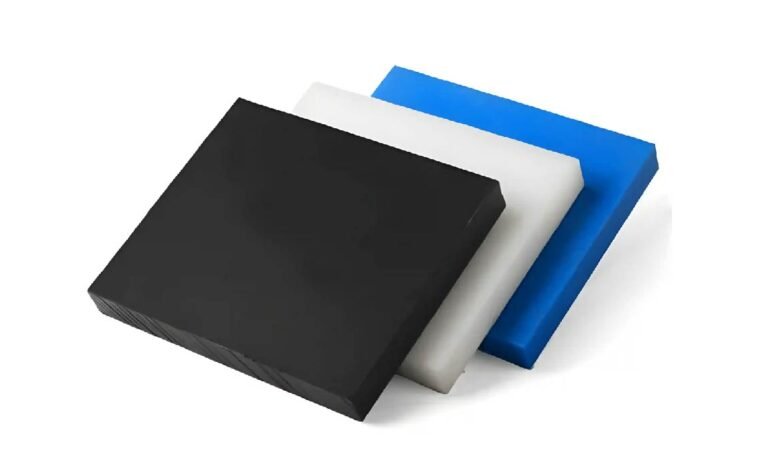
Nylon 6 is a staple in engineering, valued for its impressive mechanical strength and wear resistance. When planning a project requiring durable, low-friction material, you’ll encounter two primary types: cast and extruded. While they share a base chemical composition, their distinct formation processes create physical properties that can impact the success of your final component.
Choosing the wrong variety can lead to unexpected issues during machining or premature failure. Understanding these two production methods ensures your material performs as intended under pressure. Whether you’re designing industrial rollers, gears, or wear strips, the manufacturing process matters as much as the polymer itself. Follow along to discover which version of this versatile plastic best suits your specific application.
The Production Process and Structural Integrity
The most fundamental difference between these two materials lies in how they are shaped. Extruded Nylon 6 is produced by melting the polymer resin and pushing it through a die using an extruder. This process is continuous and creates a material with a high degree of crystallinity. Because the plastic is cooled relatively quickly as it exits the die, it often retains more internal stress.
Cast Nylon 6 is manufactured through a process called liquid monomer casting. Instead of melting a pre-made resin, the chemical reaction actually takes place inside the mould. This slower, unpressurised method allows the polymer chains to grow longer and create a more relaxed internal structure. This difference in “molecular DNA” means that cast versions generally have higher thermal stability and better resistance to deformation under load.
Machining and Dimensional Stability
When it’s time to fabricate your parts, the internal stress of the material becomes a critical factor. Extruded sheets are often more prone to warping or “moving” during the machining process because the heat from the cutting tools releases the stored tension from the extrusion process. If you are working with tight tolerances, this can be a frustrating challenge to manage.
Cast Nylon is widely considered the superior choice for complex machining. Since the casting process is virtually stress-free, the material remains incredibly stable when you are drilling, milling, or turning it. This stability allows for more precise finishes. For those requiring specific dimensions for their build, using cut-to-size Nylon 6 sheets can help reduce waste and ensure the base material is ready for immediate processing.
Performance Under Physical Stress
The mechanical properties of these two types diverge when they face heavy workloads. Cast Nylon 6 typically offers higher hardness and better compressive strength. It also boasts superior wear resistance in high-load, low-speed applications. If your project involves heavy-duty gears or bearings that must survive constant friction, the cast variety is often the go-to specification for UK engineers.
Extruded Nylon 6, while slightly less hard, provides better impact resistance and toughness. It’s less brittle than cast nylon, which means it can absorb shocks and vibrations more effectively without cracking. This makes it an excellent candidate for smaller components or applications where the material might face sudden, sharp forces instead of steady, heavy pressure.
Key Considerations for Selection
To help narrow down your choice, you can evaluate your project against these specific criteria:
- Size Requirements: Cast nylon is available in much thicker sections and larger diameters, whereas extrusion is typically limited to thinner sheets and smaller rods.
- Budget: Extruded nylon is generally more cost-effective for smaller, high-volume parts due to the speed of the manufacturing process.
- Moisture Absorption: Both types absorb moisture, which can cause slight swelling, but the rates can vary based on the specific grade and additives used.
- Weight: Cast nylon often has a slightly lower density than extruded versions, which might be a factor in weight-sensitive designs.
The Verdict
Choosing the right material requires balancing the manufacturing process with your end-use needs. Weighing extruded impact resistance against cast stability ensures your project is built to last. Both materials provide the “self-lubricating” properties essential for modern engineering.
If you’re still unsure, consult technical data sheets for specific values. Matching these figures to your design constraints removes the guesswork. Whether you’re a DIY enthusiast or a professional, picking the correct grade of Nylon 6 is a fundamental step toward success.