Seasonal Power Washing Packages to Keep Your Home or Business Spotless Year-Round

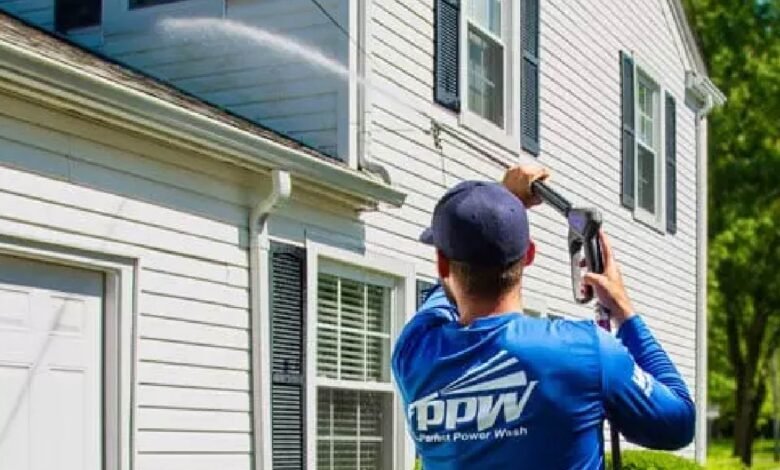
Maintaining the exterior of a property is essential for both aesthetics and longevity. Over time, outdoor surfaces such as driveways, decks, siding, and patios accumulate dirt, grime, mold, mildew, and other debris. These buildups not only make a property look neglected but can also cause long-term damage if not addressed. While traditional cleaning methods like scrubbing or using a garden hose can remove surface dirt, they often fail to eliminate stubborn contaminants. This is where power washing comes in as a highly effective solution for thorough exterior cleaning.
Power washing is a method that uses high-pressure water to clean surfaces more efficiently than conventional techniques. Unlike simple washing with a hose, power washing delivers water at much higher pressures, which helps remove dirt, grease, mold, mildew, algae, and even stains that have built up over months or years. This method can be applied to a wide range of surfaces, from concrete driveways and brick walls to wooden decks and vinyl siding. With the right techniques and equipment, power washing can rejuvenate the appearance of a property while also protecting its structural integrity.
In this guide, we will explore what power washing is, how it works, its benefits, the best surfaces to clean, safety considerations, and tips for maintaining clean outdoor areas. By understanding these aspects, homeowners and business owners can make informed decisions about how to best care for their properties.
Understanding Power Washing
Power washing is a cleaning process that uses pressurized water to remove dirt, stains, and biological growth from various surfaces. The pressure of the water can be adjusted depending on the type of material being cleaned and the level of contamination. Most power washing systems use a motor-driven pump to increase water pressure, which is then released through a nozzle to target specific areas.
An important distinction exists between power washing and pressure washing. While both methods use high-pressure water, power washing typically incorporates heated water, which enhances the cleaning process. The heat helps break down tough stains, grease, or mold more efficiently, making power washing particularly effective for commercial or heavily soiled surfaces.
Pressure settings can be adjusted to suit delicate surfaces like wood or painted siding, while higher pressure is applied to durable materials such as concrete, brick, or stone. Selecting the right pressure level is crucial to avoid surface damage while ensuring thorough cleaning.
Benefits of Power Washing
Power washing provides numerous advantages for both residential and commercial properties. One of the most immediate benefits is the improvement in appearance. Over time, dirt, algae, and mold accumulate on exterior surfaces, causing discoloration and making properties look worn. Power washing restores surfaces to their original condition, making them appear cleaner and more inviting.
Another significant benefit is surface protection. Biological growth such as mold and mildew can penetrate materials like wood, brick, or stone, gradually weakening them. Removing these contaminants prevents long-term damage, extends the life of surfaces, and reduces the need for costly repairs or replacements.
Power washing also improves safety by removing slippery substances like algae, moss, or mildew from walkways, patios, and decks. Slips and falls are a common hazard on untreated surfaces, and regular cleaning helps mitigate this risk.
From a health perspective, power washing removes allergens and microorganisms that can accumulate outdoors. By eliminating mold and mildew, property owners create a healthier environment for residents, employees, or visitors.
For commercial properties, clean exteriors contribute to a professional image and can enhance customer perception. Retail stores, restaurants, office buildings, and hotels often invest in power washing to maintain curb appeal and demonstrate attention to cleanliness.
Surfaces That Benefit from Power Washing
Power washing can be applied to a wide variety of surfaces, but each requires proper pressure settings and cleaning techniques to avoid damage.
Driveways and Sidewalks: Concrete, asphalt, or stone surfaces often accumulate oil stains, dirt, and tire marks. Power washing can remove these contaminants effectively, restoring the surface’s appearance.
Decks and Patios: Wooden or composite decks are exposed to weather conditions that promote algae, mold, and mildew growth. Power washing cleans these surfaces thoroughly and prepares them for sealing or staining.
Siding: Vinyl, wood, or brick siding can gather dust, dirt, and biological growth over time. Regular power washing brightens the siding and prevents deterioration.
Fences: Wood and vinyl fences can develop stains or mildew. Cleaning with the appropriate pressure restores their aesthetic appeal and extends their lifespan.
Roofs: Certain roofing materials, including shingles, may require soft washing—a gentle form of power washing using lower pressure and sometimes chemical cleaners—to remove algae or moss without causing damage.
When to Use Power Washing
Timing plays an important role in maximizing the benefits of power washing. Many homeowners and property managers schedule cleaning during spring or early summer. Spring power washing removes dirt and grime accumulated over the winter months and prepares outdoor areas for summer activities.
Autumn is another suitable period for power washing. Cleaning before the onset of cold weather removes debris such as leaves, dirt, and mold, helping prevent moisture buildup that can freeze and damage surfaces.
Power washing is generally not recommended during freezing temperatures or extremely hot days. Cold weather can cause water to freeze on surfaces, creating safety hazards, while high heat can cause water to evaporate too quickly, reducing effectiveness.
Safety Considerations
While power washing is highly effective, it must be performed carefully to avoid injury or property damage. The high-pressure water stream can be dangerous if directed at people, pets, or delicate surfaces. Protective equipment, including gloves, goggles, and sturdy footwear, should always be used during operation.
Correct nozzle selection and pressure settings are essential. Using excessive pressure on delicate surfaces, such as painted wood or vinyl, can cause permanent damage. Proper training or professional assistance is recommended, especially for complex or elevated surfaces.
Maintaining Clean Surfaces After Power Washing
After power washing, surfaces can remain cleaner for longer if proper maintenance is performed. Sweeping debris regularly prevents buildup, and applying sealants to wood, concrete, or stone surfaces helps protect them from stains, moisture, and environmental damage.
Scheduling routine power washing sessions typically once or twice a year for residential properties ensures that dirt and biological growth do not accumulate excessively, keeping surfaces looking clean and well-maintained.
Conclusion
Power washing is an effective, efficient, and versatile cleaning method that restores the appearance of outdoor surfaces, protects property from damage, and promotes safety and hygiene. By using high-pressure water, with or without heat, this method removes stubborn dirt, mold, mildew, and stains that ordinary cleaning methods cannot achieve.
Whether applied to residential homes, commercial buildings, or industrial properties, power washing delivers visible results that enhance curb appeal and prolong the life of surfaces. When performed correctly, with the right equipment and techniques, power washing is an essential tool in the maintenance of a clean, safe, and attractive property.