Running an industry in 2026 has become more challenging than ever. Energy prices are unstable, raw materials are more expensive, and customers expect faster delivery at lower prices. At the same time, you cannot reduce quality or safety just to save money. It makes overhead costs one of the biggest challenges for factories and industrial sites.
Industrial overhead includes all the ongoing costs needed to keep your operations running. These costs do not directly produce goods. However, production would stop without them. Examples include energy, maintenance, fuel, labour support, equipment wear, and utilities. If these costs are not controlled, they slowly eat into your profit.
The good news is that you do not need drastic changes to reduce overhead. Small improvements across different areas can help you save a considerable amount. Let’s go through them without further ado.
Effective Ways to Reduce Industrial Overhead
Control Equipment Wear
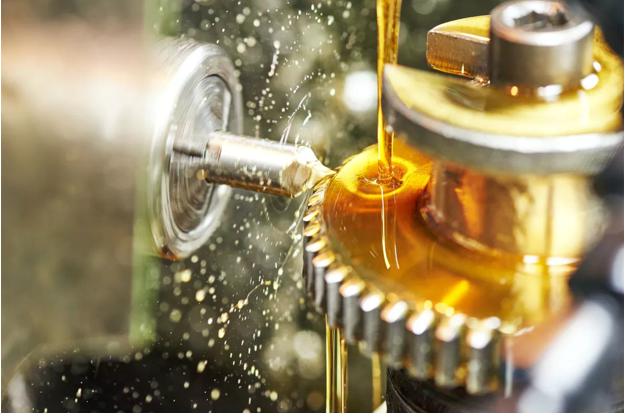
One of the easiest ways to lower industrial overhead is to reduce unnecessary wear on your machinery. When equipment parts rub against each other without proper protection, they wear out faster. It leads to breakdowns, production delays, and expensive repairs. Over time, these hidden costs add up and affect your overall budget.
You can reduce this risk by using the right lubricants for your machines and applying them at the right time. Make sure you have established partnerships with reputable industrial lubricants suppliers to get high-quality products. Proper lubrication reduces friction and extends the life of your equipment.
When your machines last longer and run smoothly, you spend less on repairs and replacements. You also avoid sudden downtime, which saves both time and money. As a result, your maintenance costs become predictable and easier to manage.
Improve Energy Efficiency
Energy is one of the highest overhead costs for industrial businesses. In 2026, energy prices are expected to remain unpredictable, which makes efficiency more important than ever. If your facility uses outdated systems or runs machines longer than needed, you will end up paying more than necessary.
You can start by reviewing how and when energy is used. Simple actions such as switching off idle machines, upgrading to energy-efficient motors, and improving insulation can help a lot. Lighting is another area where savings are easy. Replacing old lighting with LED systems reduces electricity use and maintenance costs at the same time.
Optimise Workforce Scheduling and Task Planning
Labour support costs are a major part of industrial overhead. It includes supervision, shift planning, overtime, and indirect labour. If schedules are not planned properly, you may be paying people to wait rather than work. It wastes money and reduces efficiency. You can control this by matching workforce levels with real production needs.
You should review your peak and low-activity periods and adjust shifts accordingly. Clear task planning also helps workers complete jobs faster and with fewer errors. When everyone knows their role, work flows better, and delays are reduced. Training is also important. Well-trained staff need less supervision and make fewer mistakes. It reduces rework and waste.
Reduce Material Waste
Material waste may not always look like overhead. However, it affects your running costs. Scrap, rework, and rejected products use time and labour without creating value. Over time, this waste increases your overhead and reduces profit. You can control this by reviewing your production processes step by step.
When doing so, you should look for areas where materials are overused or discarded. Improving quality checks early in the process helps catch problems before they grow. Clear work instructions also reduce errors caused by misunderstanding. When waste is reduced, you spend less on raw materials and disposal. It ultimately helps lower indirect costs that contribute to overhead.
Prioritise Preventive Maintenance Over Reactive Repairs
Waiting for machines to break before fixing them is expensive. Emergency repairs often cost more and interrupt production. These interruptions increase overhead through downtime and the cost of spare parts. Preventive maintenance helps you avoid these problems. By inspecting and servicing equipment regularly, you can identify small issues before they turn into major failures.
This approach allows you to plan maintenance during low-production periods, which reduces disruption. Preventive maintenance also improves safety and equipment performance. Machines run more efficiently and last longer. As a result, your maintenance costs become more stable and unexpected expenses are reduced.
Review Supplier Contracts
Many industrial businesses work with multiple suppliers for similar products and services. It often leads to higher prices, extra paperwork, and missed discounts. Over time, these inefficiencies increase overhead costs. You can reduce this by reviewing your supplier contracts regularly.
For example, when choosing industrial heating oil suppliers, you should compare prices and service levels before making a final call. If possible, try to make long-term agreements. It often offers cost stability and priority service.
You don’t have to cut corners to reduce industrial overhead in 2026. All you have to do is make smarter decisions across maintenance, energy, labour, and fuel.