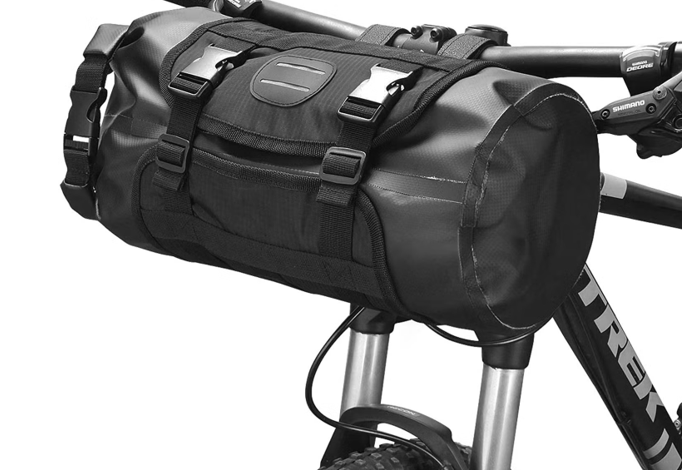
Cycling demands that you focus on your route safety on the road. Most riders invest in gears that keep them safe while riding. However, they often ignore how quickly the weather can change. A sunny morning can turn into heavy rain within minutes. Strong winds, sudden showers, dust, or extreme heat can damage your belongings.
Your phone, wallet, documents, clothes, and tools are all at risk if they are not packed properly. As a cyclist, you depend on your gear for comfort, safety, and convenience. If your belongings get wet or damaged, it can ruin your ride and even create serious problems. Therefore, you need a smart and practical approach. In this article, we will share some tips that can help you protect your belongings.
Effective Tips to Protect Your Belongings While Cycling
Use Dry Bags Inside Your Main Bag
Weather conditions can be unpredictable. Heavy rain can sometimes get through small gaps. Using a cycling dry bag adds an extra layer of protection. Dry bags are lightweight and fully sealed. You can place your phone, wallet, power bank, documents, and spare clothes inside them. Roll the top tightly and clip it properly to lock out water. This method ensures that even if your outer bag gets wet, the items inside remain dry.
You can organise your belongings by using separate dry bags for different items. For example, one for electronics and one for clothing. This keeps everything neat and easy to access. Double protection is always better than taking a risk.
Choose Weather-Resistant Bags
The most important step is selecting the right bag. You should always use a weather-resistant or waterproof bag instead of a regular backpack. Ordinary bags absorb water quickly. Once water gets inside, your belongings will not be safe. You should look for bags made from materials like PVC-coated fabric or treated nylon. These materials stop water from entering. Check if the bag has sealed seams and is waterproof.
If you are using panniers or handlebar bags, make sure they come with proper rain covers. Investing in a high-quality bag may seem expensive at first. However, it saves you money in the long run. You protect your electronics, clothing, and important items from damage.
Protect Electronics with Waterproof Cases
Your phone, GPS device, lights, and power bank are highly sensitive to water and moisture. Even a small amount of water can cause permanent damage. Therefore, you should always use waterproof cases for your electronics. A waterproof phone case allows you to use your phone while keeping it protected. Many cases are transparent and touch-sensitive, so you can check maps or answer calls without removing the phone.
For power banks and cameras, you can use sealed pouches. Moisture from humidity can also affect electronics. Therefore, you should place small silica gel packets inside your electronics pouch to absorb extra moisture. Taking these simple steps ensures that your essential devices remain safe and functional throughout your ride.
Secure Your Belongings Properly
Bad weather often comes with strong winds or rough road conditions. If your belongings are not secured properly, they can move around inside your bag. This movement can cause damage, especially to fragile items. You should pack tightly and avoid leaving empty space inside your bag. Use straps or padding to keep items in place.
Heavier items should go at the bottom, and lighter items on top. If you are using panniers, make sure they are firmly attached to your bicycle rack. Loose bags can shift while riding, which affects your balance and control. Properly securing everything not only protects your belongings but also improves your safety on the road.
Pack Smart
When cycling in unpredictable weather, your clothes or gear may become wet during the ride. If you place wet items with dry ones, everything can become damp. Therefore, you should always separate wet and dry belongings. You must carry a separate waterproof pouch or plastic bag for wet clothing, gloves, or rain jackets.
As soon as something becomes wet, store it separately. It prevents moisture from spreading inside your main cycling bag. You should also keep important items like documents and electronics in the safest section of your bag. This smart packing approach reduces the risk of damage and keeps your belongings organised.
Use Rain Covers
Rain covers are simple yet very effective. These are lightweight and easy to store when not in use. Even if your cycling bag is water-resistant, adding a cover gives you additional safety.
It acts as a shield against heavy rain, mud splashes, and dust. Many rain covers come in bright colours, which also improve visibility on the road during bad weather. You should always carry a rain cover in your bag, even if the weather forecast looks clear, because these are not always accurate.
When you cycle in unpredictable weather, you need to be prepared. Adopting the aforementioned techniques ensures that your belongings remain safe in all conditions.